Experience the Cave Creek Desert Lifestyle Retreat
March 24, 2026
March 24, 2026
Picture yourself waking up to mountain silhouettes, quiet skies and a day that starts on a trail, not in traffic. If you want room to breathe without giving up access to Scottsdale and Phoenix, Cave Creek should be on your list. In this guide, you’ll learn what makes Cave Creek a true desert retreat, what kinds of homes and lots you’ll find, the rules that shape building and ranch uses, and smart steps to buy with confidence. Let’s dive in.
You live in the Sonoran Desert here, with saguaros, rocky ridgelines and wide desert washes as your daily backdrop. Cave Creek sits on the northern edge of the Phoenix metro and borders the Tonto National Forest, which puts open space right next door to residential areas (Cave Creek overview). The town is also minutes from two standout preserves. The Spur Cross Ranch Conservation Area protects riparian habitat, Hohokam petroglyphs and miles of trails. Cave Creek Regional Park offers campgrounds, multi‑use trails and well‑known loops like Go John and Quartz. If you value privacy, nature and morning trail access, this setting delivers.
Cave Creek is friendly to riders. You will find guided trail rides, local stables and boarding options, and trail connections into the county park network and the Tonto National Forest. Many buyers seek parcels where private barns and arenas are allowed, and the regional parks support horseback riding with signed, maintained routes (Maricopa County parks). If a horse‑capable property is on your wish list, you will have options.
Cave Creek keeps its small‑town western identity front and center. Downtown mixes galleries, saloons, local shops and the Cave Creek Museum, and the event calendar celebrates that heritage. Each spring, Cave Creek Rodeo Days brings PRCA action and community festivities to town. Seasonal art and wine events at Stagecoach Village add to the rhythm. It feels like a destination, but it also feels like home.
Cave Creek is small in population and low in density. The town counted about 4,892 residents at the 2020 census, with more recent estimates in the mid‑5,000s (Census QuickFacts). Owner‑occupancy is high at 94.6 percent, and a notable share of residents are 65 or older, which helps explain why many retirees and second‑home buyers are drawn to the area’s quiet pace and privacy (same source). You get a retreat feel without being far from daily services.
Location helps too. Cave Creek is about 33 miles north of downtown Phoenix, and the mean travel time to work is roughly 29.7 minutes, reflecting drives to North Scottsdale and other job centers (Census QuickFacts; Cave Creek overview). You can enjoy the desert and still reach shopping, dining and the airport when you need them.
Much of Cave Creek’s retreat feel comes from its Desert Rural (DR) zoning, which creates space between homes and preserves desert character. The town sets minimum lot sizes by division (Town zoning ordinance):
For many buyers, DR‑43 through DR‑89 parcels hit the sweet spot for a “ranchette” with room for a casita, workshop or barn. Larger DR‑190 sites offer even more privacy.
Cave Creek’s rules are designed to protect the desert. Lots include a required 12‑foot Native Habitat Corridor measured from property lines, and the code limits lot coverage and total land disturbance, with standards that vary by DR district and by hillside status (Town zoning ordinance). These rules guide where you can place the home, how much grading is allowed and how much hardscape you can add. If you want big patios, long driveways or a larger yard, confirm the property’s disturbance allowance early.
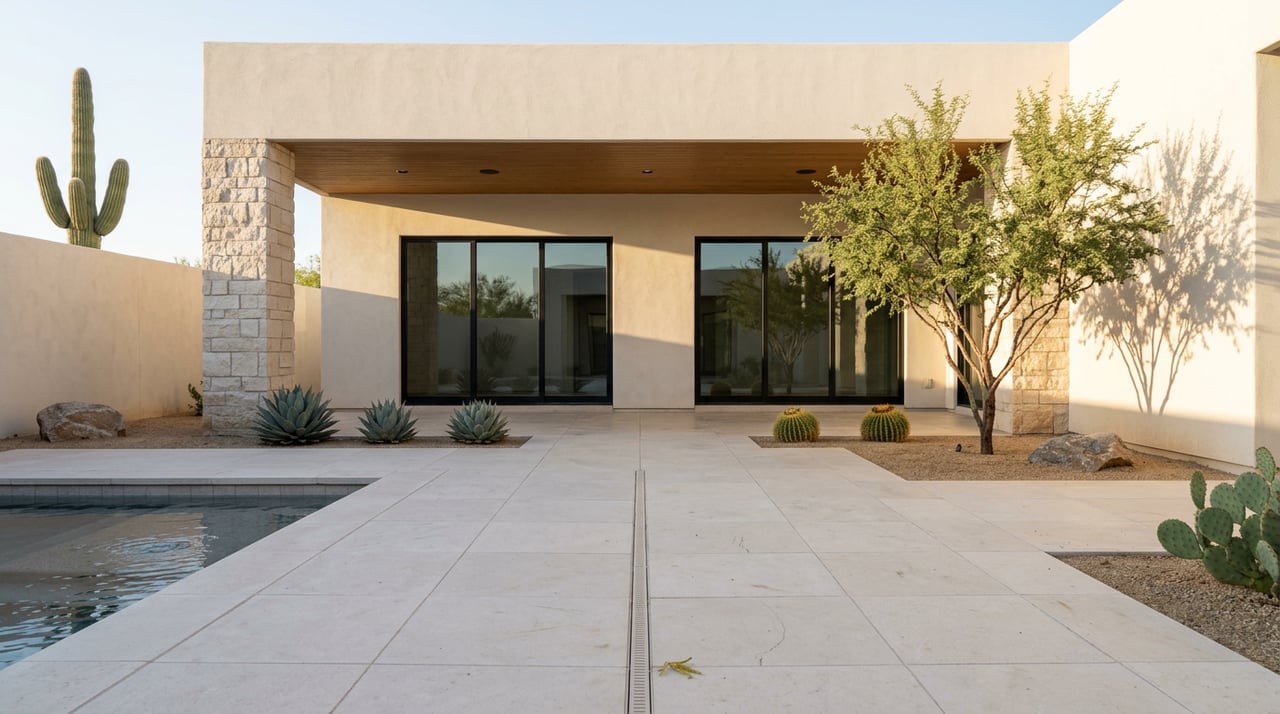
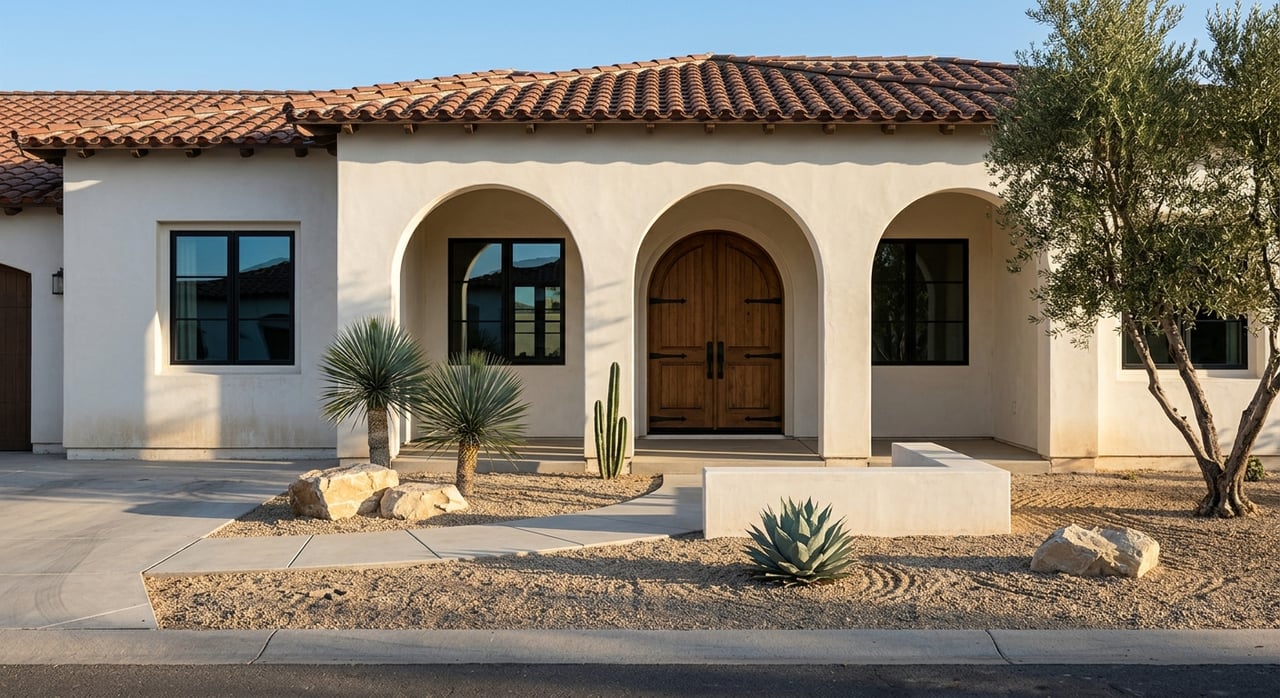
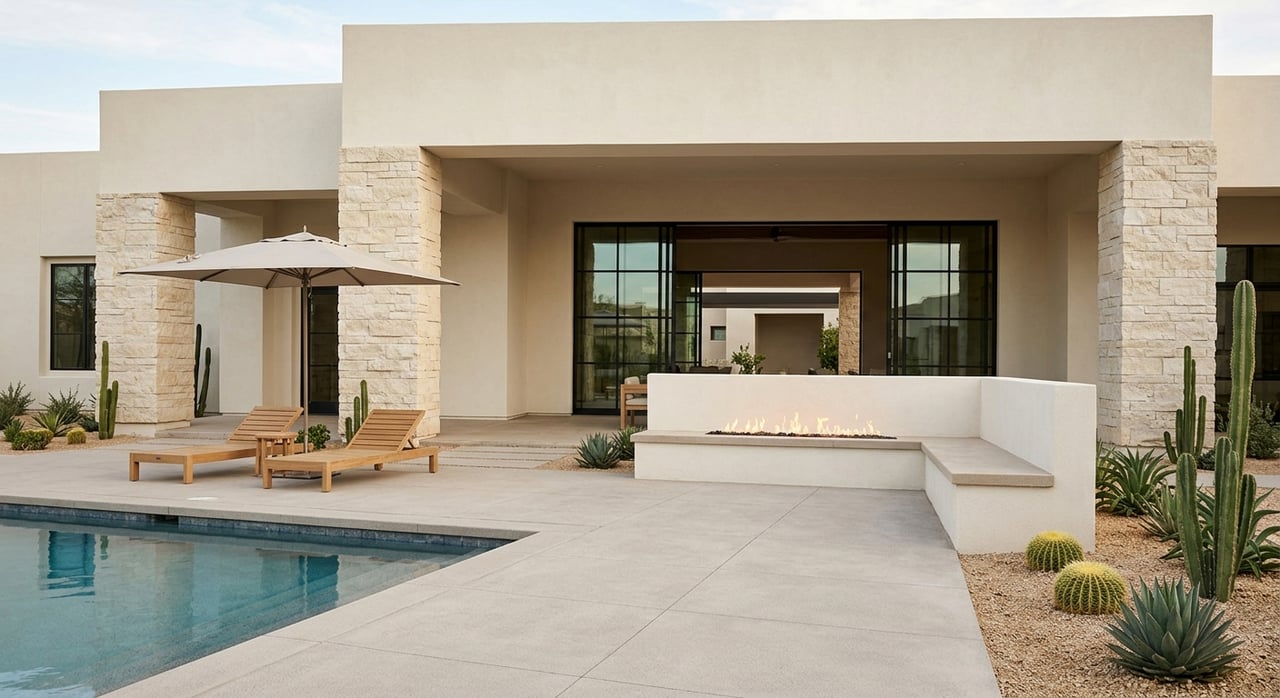
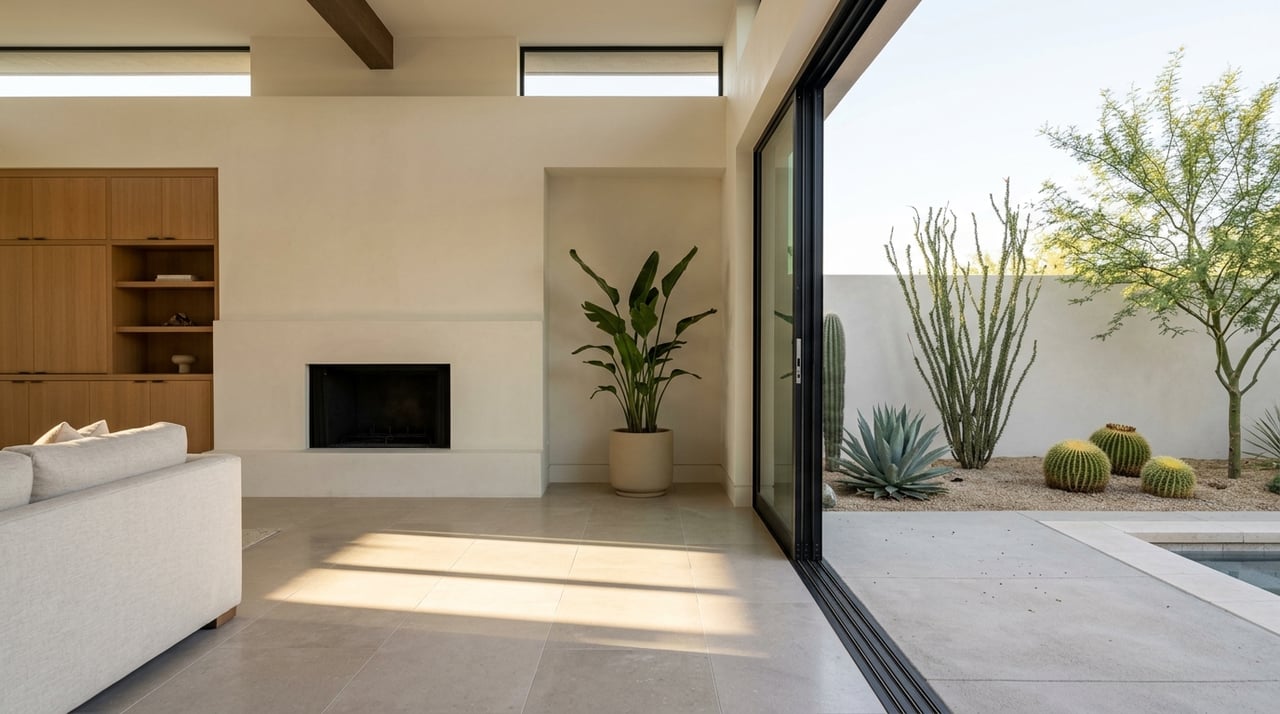
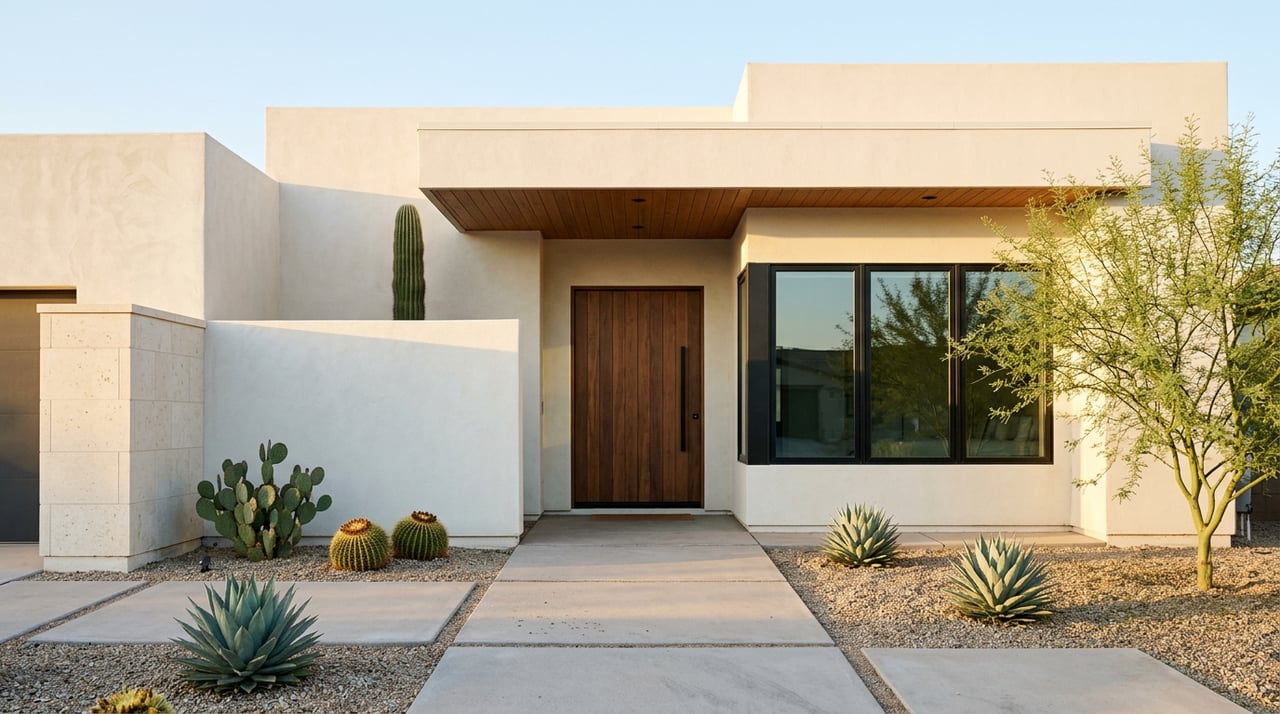
You will see single‑story ranch and Spanish‑influenced designs with courtyards and deep covered patios, as well as custom desert‑modern homes that frame mountain views. Many larger lots include casitas or guest suites, detached garages or workshops, and equestrian facilities. Private pools are common, and pool and structure setbacks are defined in the Desert Rural standards (Town zoning ordinance). Inventory varies by season, but the through‑line is privacy and connection to the landscape.
Some acreage parcels have few or no HOA restrictions, while planned enclaves and gated streets do exist. Water and sewer also vary by parcel. Remote lots may use septic or private systems. Before you write an offer, review any HOA covenants, confirm water and sewer details, and map the building envelope and hillside rules with your agent and, if needed, the Town Planning Department (Town zoning ordinance).
Cave Creek has a semi‑arid climate with hot summers and a summer monsoon season that runs roughly late June or July through September. Expect afternoon thunderstorms, fast‑rising washes and short‑duration heavy rain events during monsoon season. Winters are mild and draw many seasonal residents. If your property borders open space, plan for wildfire awareness and defensible space as part of normal upkeep (NWS Phoenix climate normals).
Cave Creek is part of the Phoenix metro, but it is not a member of the Valley Metro bus system, so a private vehicle is the practical norm. For travel, residents use Phoenix Sky Harbor for commercial flights, with Scottsdale and Deer Valley airports serving general aviation and charter needs (Cave Creek overview). The tradeoff is clear: fewer buses and more sky.
A few focused checks will help you avoid surprises and maximize what you can do with your land.
Cave Creek is a higher‑priced, lower‑inventory market within Maricopa County. The Census reports an owner‑occupied median home value of about 906,100 dollars for 2020–2024, which reflects the town’s larger lots and custom homes (Census QuickFacts). Other market trackers, such as Zillow’s Home Value Index, have reported figures around the low seven‑figures at times, which can vary based on listing mix and recent luxury sales. Because methodologies differ, it is best to use current MLS data at the time you shop and compare by property type, lot size and view corridor.
If your wish list includes privacy, trail access, horse‑friendly options and a town that celebrates its western roots, Cave Creek delivers. You get a quiet, small‑town feel, real desert scenery and practical access to Scottsdale and Phoenix. The tradeoffs are expected: a car‑forward lifestyle, careful planning for heat and monsoon season, and zoning rules that protect the landscape.
If you want a clear plan and on‑the‑ground guidance, connect with Colleen Marie Heaney. From lot‑level due diligence to relocation logistics, you will get responsive, personalized representation tailored to how you live.
Inspiration and Information for Every Move
Whether you’re moving across town or across state lines, Colleen is here to make your transition simple, enjoyable, and stress-free.