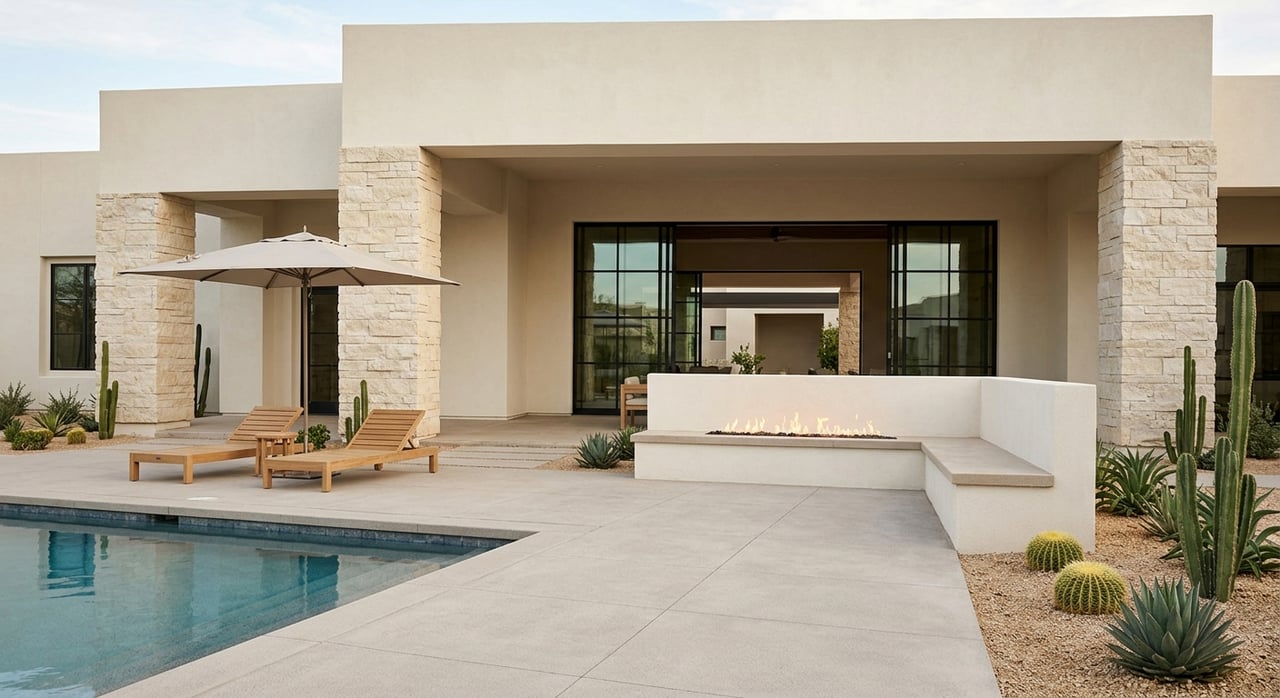
Scottsdale HOA and Community Amenities Explained
April 23, 2026
April 23, 2026
Trying to compare HOA communities in Scottsdale and North Phoenix can feel simple at first, until you realize two homes with similar prices may come with very different fees, rules, and amenity access. If you are buying from across town or relocating from out of state, that can make it hard to know what you are really getting. This guide will help you understand how HOA structures, dues, and community amenities often work in this part of the Valley so you can make a more confident decision. Let’s dive in.
In Scottsdale and North Phoenix, lifestyle value often comes from a mix of private community amenities and nearby public outdoor access. Scottsdale preserves natural desert features through its Environmentally Sensitive Lands Overlay, and the city’s trail system includes 160 miles with more planned. On the North Phoenix side, the Sonoran Preserve adds more than 9,600 acres and 36 miles of trails, which means some neighborhoods may offer less on-site amenities but still provide strong access to outdoor recreation through the surrounding area.
That is why the real question is usually not just, “Does this home have an HOA?” It is, “What does the HOA actually cover, how many layers are involved, and how often will you use the amenities that come with it?”
Many communities in Scottsdale and North Phoenix do not have just one fee and one association. Instead, you may see a master association, a village or sub-association, and then a neighborhood-level assessment layered on top.
For example, Grayhawk’s HOA dues structure includes multiple assessment categories. DC Ranch also uses multiple fee layers through its Community Council, Ranch Association, and neighborhood assessments. If you are comparing homes across communities, this matters because the advertised dues number may not tell the full story.
Arizona buyer guidance notes that HOA documents may include:
The Arizona Department of Real Estate buyer advisory also notes that while ADRE administers the HOA dispute process, it does not regulate HOAs themselves. For you as a buyer, that makes careful document review especially important.
In this market, master-planned communities often include a broad amenity package. Depending on the neighborhood, you may find:
Some communities also limit access to residents rather than treating amenities as open public features. In DC Ranch community centers, for example, the amenity package includes heated pools, playgrounds, fitness space, courts, splash features, event rooms, and other resident-focused benefits.
HOA costs in Scottsdale and North Phoenix are commonly billed monthly, quarterly, or semiannually. You may also see separate master, village, or neighborhood assessments depending on the community.
Some properties may also have Community Facilities District charges, or CFDs, which are separate from HOA dues and can appear on the detailed property tax statement. According to the Arizona buyer advisory, CFDs can help fund things like roads, sewer, utilities, and public parks.
Arizona law requires resale disclosure packets for planned communities and condominiums to include items such as governing documents, assessments due, insurance information, reserve amounts, the current operating budget, the most recent annual financial report, a reserve study if one exists, and a summary of pending litigation. Under A.R.S. § 33-1260, associations may also charge up to $400 in aggregate for resale disclosure, lien estoppel, and related transfer services, plus certain update or rush fees collected at close of escrow.
For planned communities, A.R.S. § 33-1803 says regular assessments generally cannot increase by more than 20% over the prior fiscal year without majority approval unless the declaration sets a lower limit. The same statute also caps late charges on unpaid assessments at the greater of $15 or 10% of the unpaid assessment.
Looking at a few well-known communities can help you see how different these setups can be.
In Grayhawk, quarterly assessments can be split across the master association, Retreat Village, sub-association, and neighborhood levels. The master assessment covers common area landscaping and maintenance, greenbelts, trails, pocket parks, playgrounds, walls and fences, monument signs, utilities for common areas, 24-hour patrol, on-site staff, and reserves.
At the village or neighborhood level, additional fees may cover gates, private streets, pools, spas, or tennis courts that serve only certain sections of the community. That layered setup is a great reminder to ask what belongs to the whole community versus your specific neighborhood.
DC Ranch bills fees monthly and uses Community Council, Ranch Association, and neighborhood categories. The amenity style many buyers compare here includes features at Desert Camp and The Homestead such as heated pools, fitness areas, playgrounds, basketball, tennis, pickleball, splash pads, Wi-Fi, event rooms, and community rentals.
It is also important to know that community center access in DC Ranch is managed through resident access policies. If guest access, rentals, or hosting events matters to you, this is the kind of detail worth confirming before you buy.
Aviano at Desert Ridge is a North Phoenix community with 902 single-family homes on 400 acres. Its amenities include a 16,000-square-foot clubhouse, a resort-style heated pool, basketball courts, tennis courts, volleyball courts, a community park, and 15 playgrounds.
For buyers who want a more built-in amenity package, this is the kind of community that may stand out. The key is weighing those features against total monthly and annual carrying costs.
McDowell Mountain Ranch spans more than 3,200 acres and includes hiking and biking trails, parks, golf courses, tennis and pickleball courts, and community centers. The HOA brochure also describes two community centers with pools, tennis, basketball, volleyball, and picnic areas.
This is a good example of a community where lifestyle value comes from both internal amenities and broader outdoor access. If you are drawn to trails and active use spaces, that mix may be more valuable than a single clubhouse alone.
In Desert Ridge, the 2026 master association assessment is $600 annually and billed semiannually. The posted budget shows dues allocated across landscaping, administration, on-site staffing, reserve funding, lifestyle programming, patrols, common-area maintenance, and utilities.
That kind of published breakdown can be very helpful when you are trying to understand where your money goes. A lower dues amount is useful, but transparency around services and reserves matters too.
When you are comparing communities, these are some of the most useful questions to ask:
These answers can help you compare homes more accurately, especially if one property seems less expensive on paper but carries extra assessments or more restrictive use rules.
The best community for you is not always the one with the biggest clubhouse or the longest amenities list. It is the one that matches how you actually live.
If you use fitness centers, pools, courts, and organized events every week, a higher-fee community may make perfect sense. If you would rather spend time on public trails, preserve access, or nearby parks, a lower-amenity neighborhood with strong outdoor access may be the better fit.
That balance is especially important in Scottsdale and North Phoenix, where the surrounding desert preserve systems can add real lifestyle value. In many cases, your decision comes down to whether you want more of your monthly cost tied to private amenities, nearby public access, or a blend of both.
Before you commit to a home, ask for the full fee picture and review the resale packet carefully. Look beyond the headline dues amount and focus on billing frequency, reserves, amenity access, architectural rules, and any separate tax-related charges such as CFDs.
If you are relocating, this step is even more important because community rules and layered assessments may work differently than what you are used to in another state. A little extra review up front can save you from surprises after closing.
When you want help comparing Scottsdale and North Phoenix communities side by side, Colleen Marie Heaney can guide you through the details and help you find the right fit for your lifestyle, budget, and move timeline.
Inspiration and Information for Every Move
Whether you’re moving across town or across state lines, Colleen is here to make your transition simple, enjoyable, and stress-free.