Mesa Home Styles for First-Time Buyers: What to Know
May 28, 2026
May 28, 2026
Buying your first home in Mesa can feel exciting right up until you start scrolling listings and realize no two homes seem alike. One house has a low roofline and broad front yard, another has stucco walls and arches, and the next looks clean-lined and modern. If you are trying to figure out what those differences mean for your lifestyle, budget, and long-term plans, this guide will help you make sense of it. Let’s dive in.
Mesa has a long growth history, and that shows up clearly in its housing stock. The city began with an original townsite laid out on large 1.25-acre lots, then expanded through subdivision and later master-planned development. That is why first-time buyers in Mesa can see everything from older townsite homes and infill parcels to postwar neighborhoods and newer planned communities.
Mesa also has a wide spread of construction eras rather than one dominant age group. City housing materials show the largest shares of homes were built in the 1980s, followed by the 1970s, 1990s, 2000s, and 2010 through 2020 and later. In practical terms, that means your home search may include very different layouts, lot sizes, and design features even within the same general area.
Mesa’s housing mix is also important to know upfront. According to the City of Mesa’s Balanced Housing Plan materials, about 63% of housing units are single-family residences, 29% are manufactured homes or other rentals, and 8% are condos and townhomes. For a first-time buyer, that creates a broad menu of choices depending on how much space, privacy, and maintenance you want.
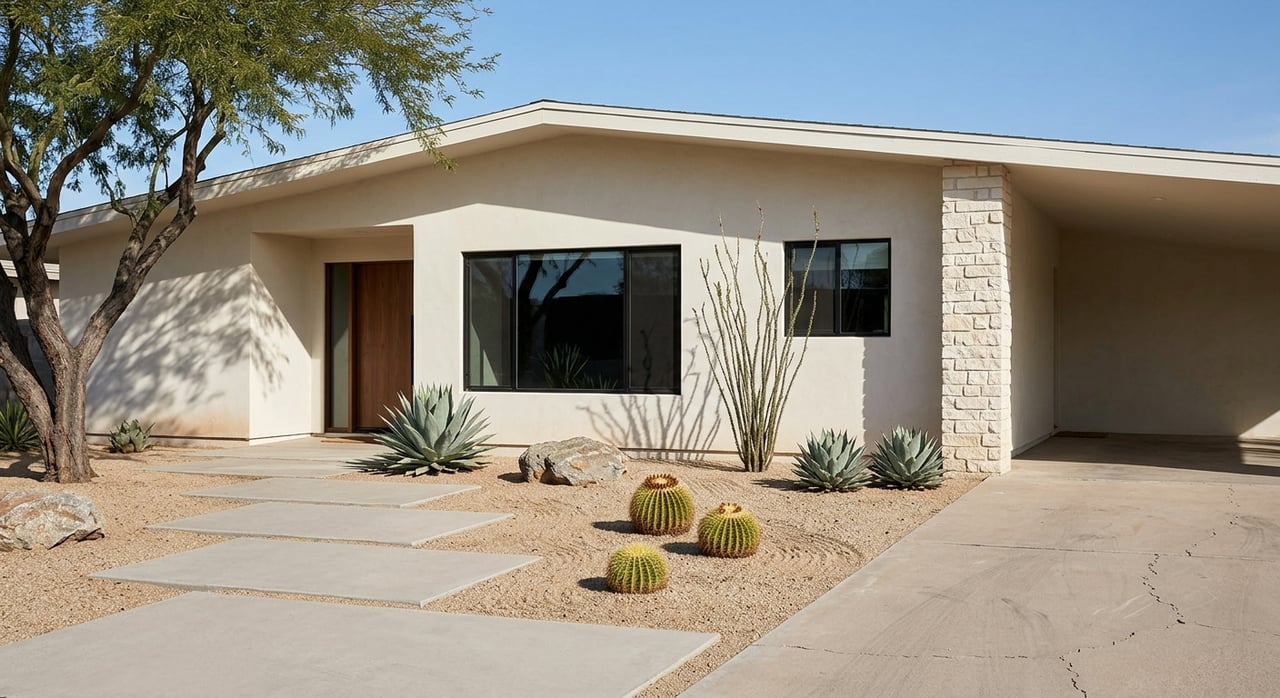
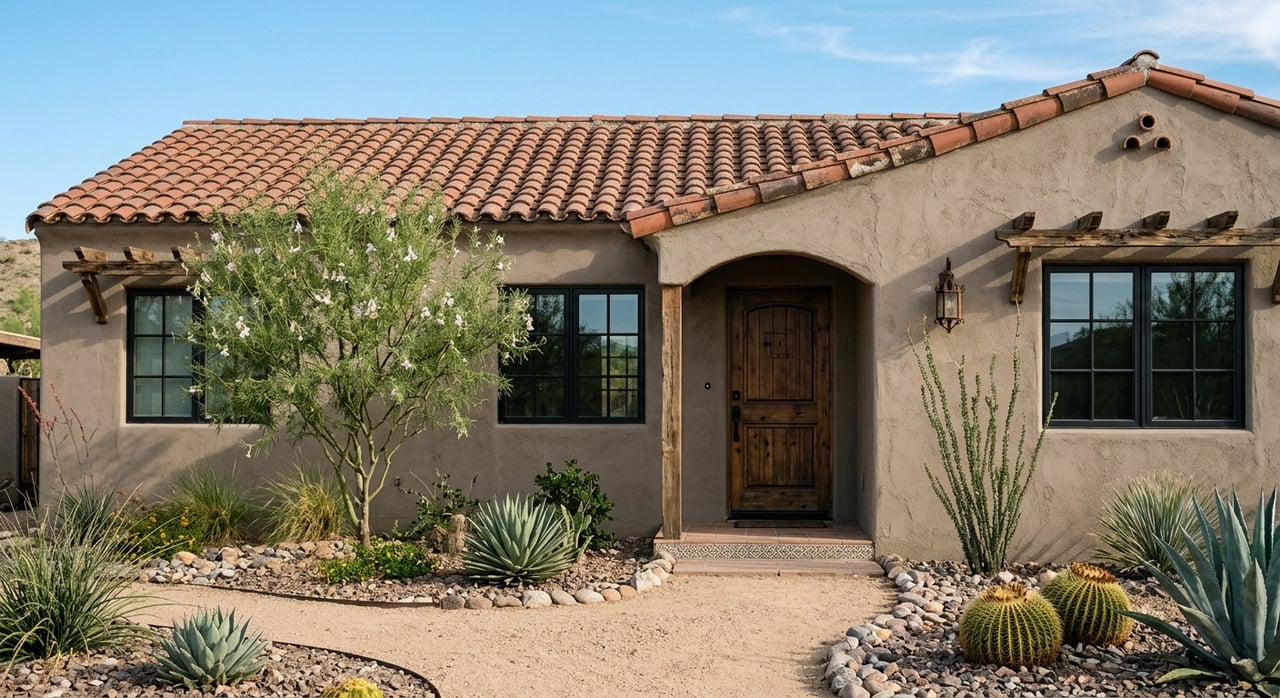
Ranch is the single most important style for first-time buyers to understand in Mesa. City historic district materials describe Mesa ranch homes as one-story homes with rectangular or sprawling footprints, low-pitched roofs, and broad front yards. Many also include attached or semi-attached carports or garages.
These homes became especially common after World War II and helped shape many mid-century Mesa neighborhoods. In some areas, you may also see rambling ranch layouts with elongated floor plans and side wings. That extra width can create a more spread-out feel than newer two-story homes on tighter lots.
For buyers, ranch homes often offer practical day-to-day living. Single-story layouts can feel easier to navigate, and the floor plans often separate living and sleeping areas in a straightforward way. At the same time, the age, updates, and lot size can vary a lot from one ranch neighborhood to another.
In Mesa, a ranch home does not always mean the same kind of property. Some ranch homes are part of modest postwar tracts, while others sit on much larger lots and feel more custom. Fraser Fields is one clear example, where lots were at least two-thirds of an acre and the neighborhood developed as a large-lot, automobile-centered subdivision filled with one-story ranch homes.
That means you should look beyond the style label and pay attention to the setting. Two ranch listings may both be single-story, but one could offer a compact layout on a smaller parcel while another gives you much more yard space and street frontage. If you are comparing options, the neighborhood context matters just as much as the architectural style.
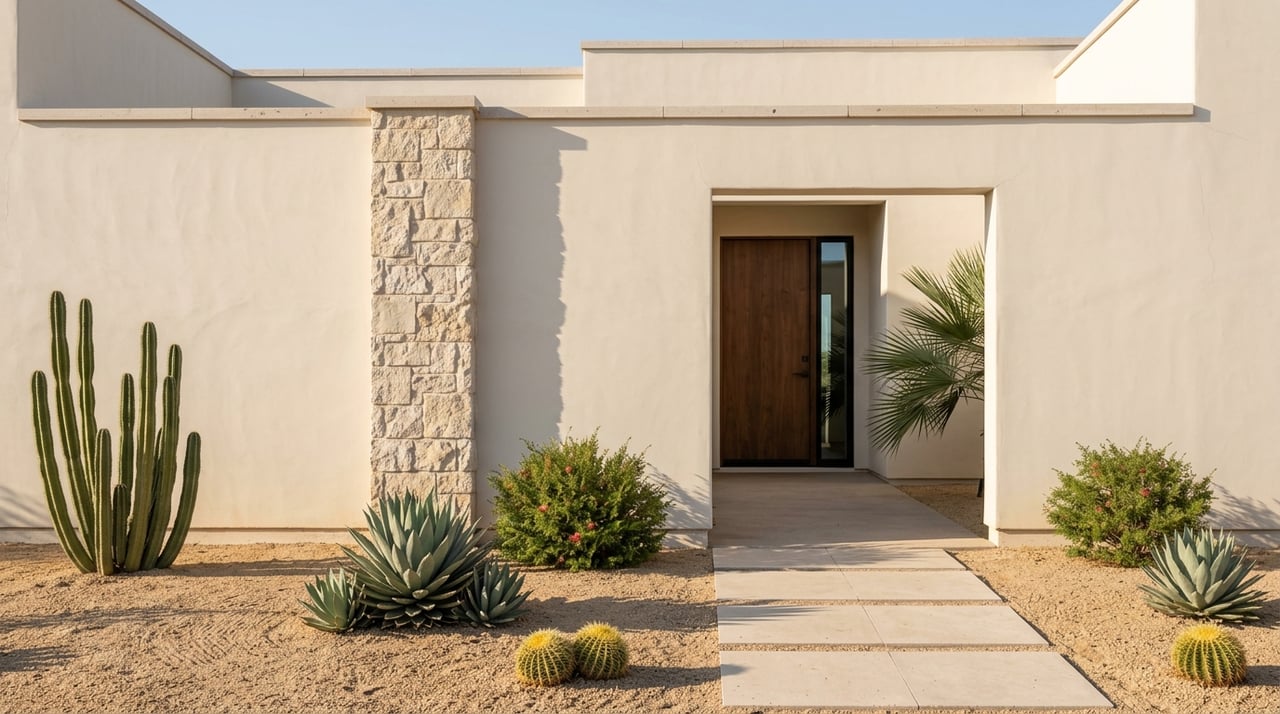
“Southwestern” is a term many buyers use, but in Mesa’s official records it is usually better understood as a broader desert-inspired look rather than one single formal style. Mesa’s historic preservation materials point to Mission Revival, Pueblo Revival, and Spanish Colonial Revival as important local examples that shape what many buyers think of as Southwestern character.
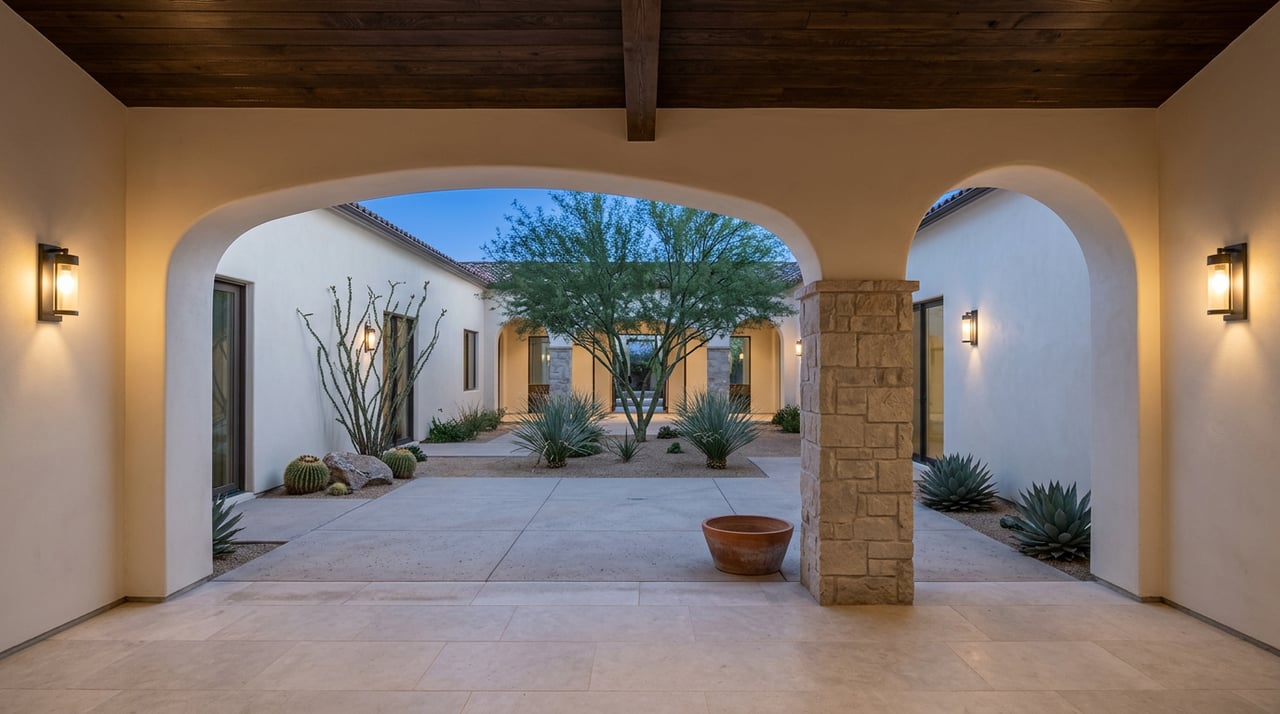
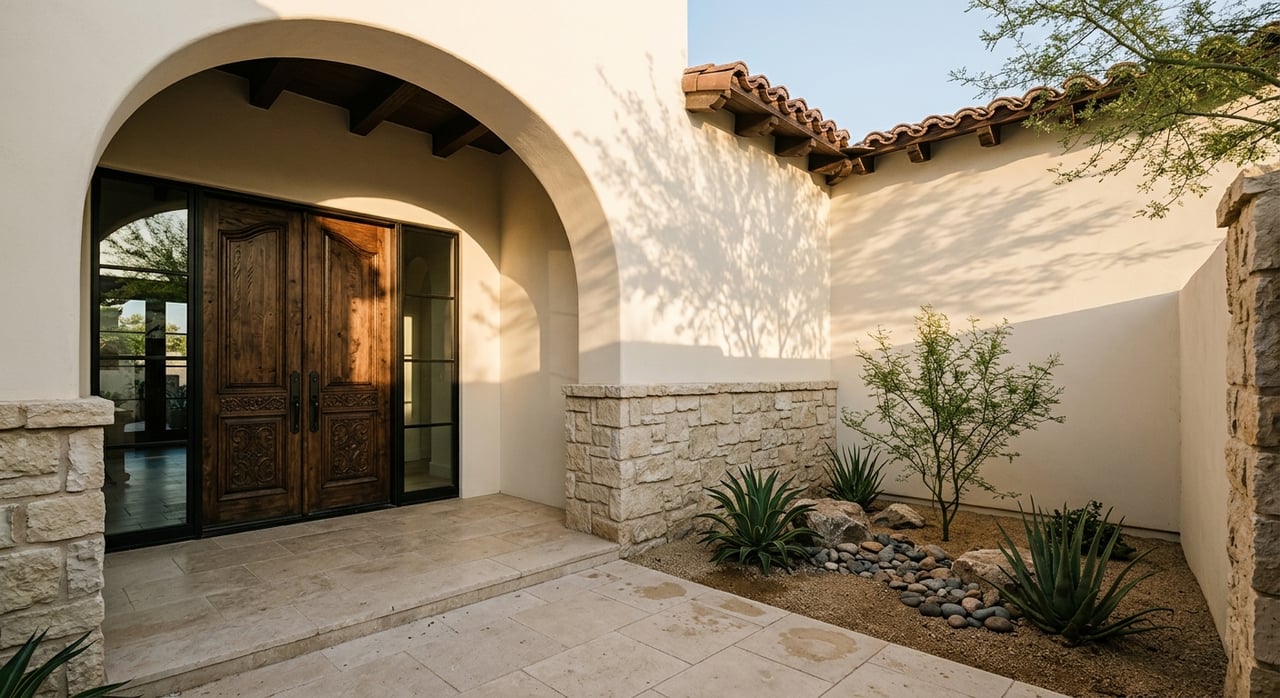
Mission Revival homes are described by the city as stucco-clad with clay tile or flat roofs, deep eaves, arched openings, and rectangular or horizontal massing. Pueblo Revival incorporates Native American and Spanish colonial influences, often with more irregular plans and organic forms. Spanish Colonial Revival also appears in Mesa neighborhoods from the 1920s and 1930s.
For a first-time buyer, these homes often stand out because they feel rooted in Arizona’s climate and visual identity. You may notice stucco exteriors, shaded entries, arches, and rooflines that feel distinctly desert-oriented. If you want a home with a sense of character and local architectural history, this category is worth watching closely.
Older Mesa districts can include a richer mix of architectural styles from different decades. West Second Street includes National Folk and Vernacular homes, Bungalows, Mission Revival, Colonial Revival, and some Ranch homes. Temple includes Spanish Colonial Revival, Bungalow, Minimal Traditional, Transitional or Early Ranch, and Ranch examples.
Evergreen is another area where buyers may encounter Spanish Colonial Revival, Pueblo Revival, Bungalow, and Ranch homes. Because these neighborhoods often developed over many years instead of all at once, the streetscape can feel more varied from one block to the next. That variety appeals to many buyers, but it also means each listing deserves a closer look on its own terms.
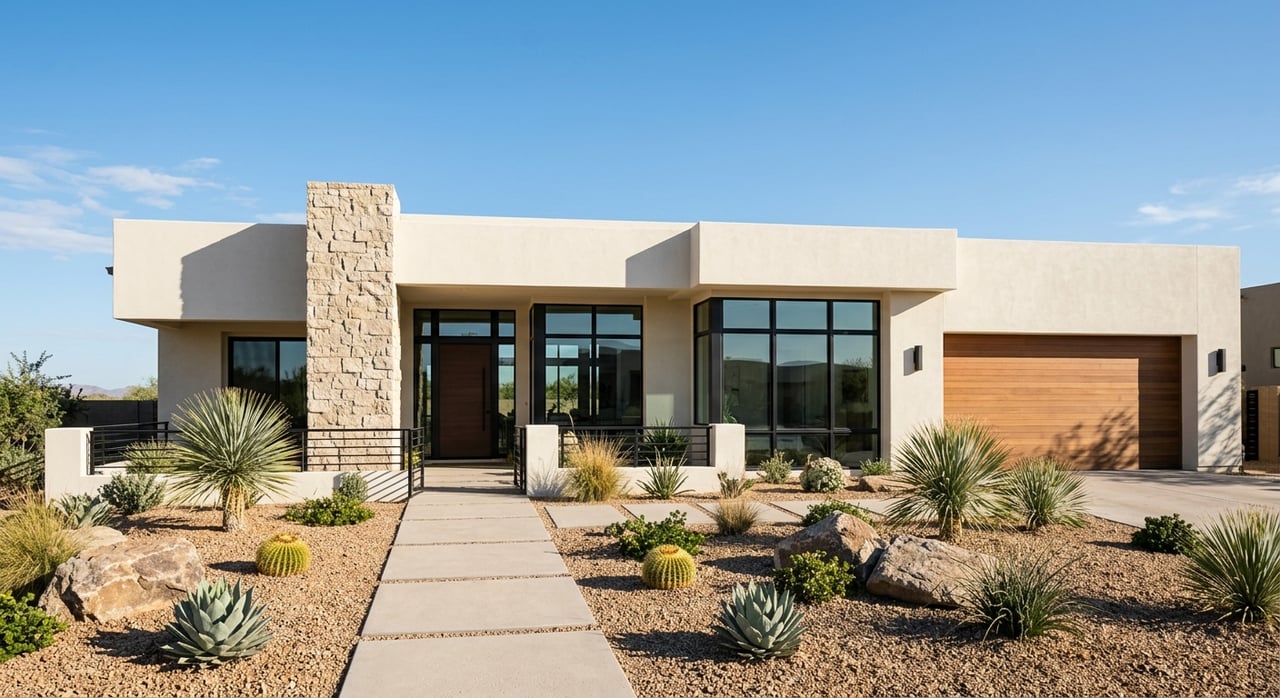
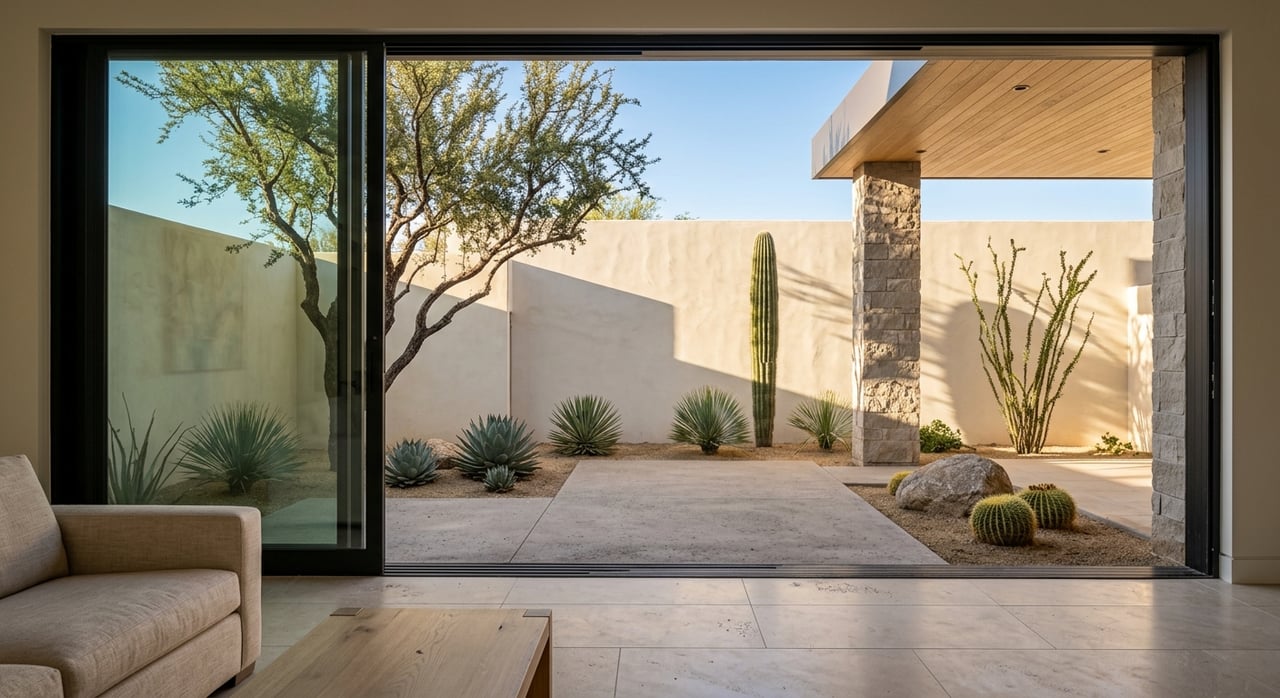
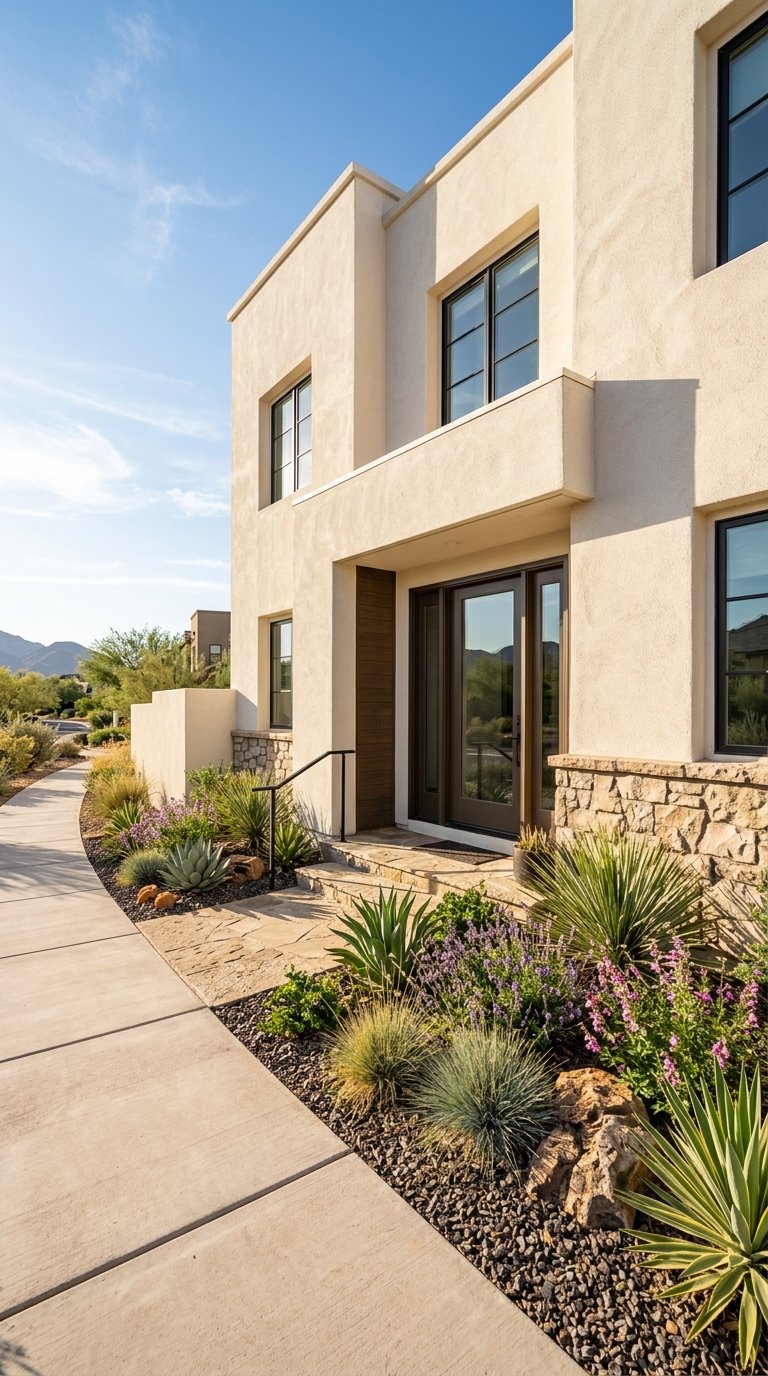
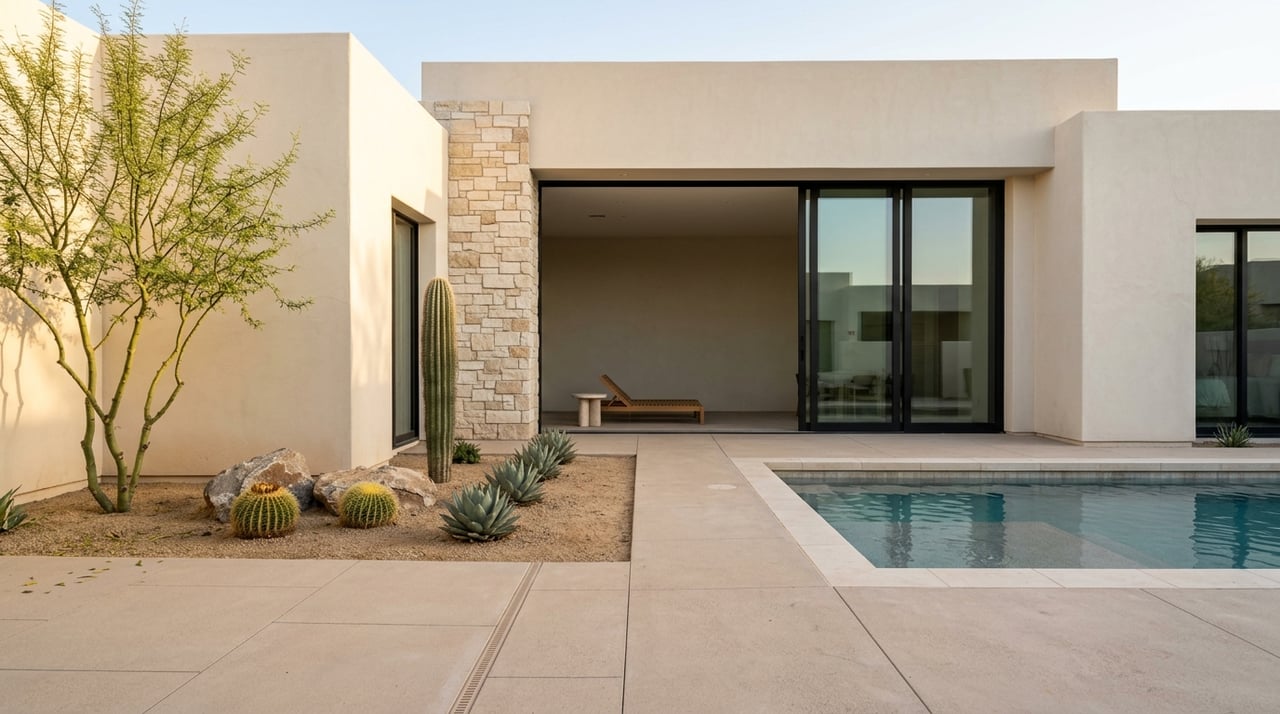
If your eye is drawn to cleaner lines and a more modern feel, contemporary homes may stand out during your search. Mesa’s historic district materials use “contemporary” for homes with more modernist cues, especially flat roofs and larger expanses of glass. These homes often have simpler, box-like forms and less ornament than older revival styles.
You may find contemporary influence in some postwar infill or apartment buildings, but the city also emphasizes variety in newer residential development. Current design guidance encourages a mix of lot configurations, home sizes, architectural styles, and scales. So in a modern Mesa search, contemporary can show up in several ways, from distinct mid-century examples to newer builds with a fresh, simplified look.
For first-time buyers, contemporary homes can be appealing if you want open-feeling spaces and a more updated visual style. Still, newer-looking design does not always mean newer construction, so it helps to compare the home’s era, lot type, and neighborhood pattern rather than relying on appearance alone.
Home style is only part of the story in Mesa. The lot and street layout can tell you a lot about how a neighborhood developed and what daily life may feel like there. Older townsite and historic district areas often include smaller or more subdivided parcels because original blocks were gradually split as the city grew.
The West Second Street and Robson historic district materials both describe this kind of gradual subdivision pattern. These older neighborhoods often developed incrementally over decades rather than as one uniform tract. That can create more variation in parcel shape, setbacks, and the way homes sit on the lot.
By contrast, some postwar subdivisions were built with a more suburban, vehicle-oriented layout. The city notes this shift clearly in its mid-century planning history, and Dobson Ranch, which opened in 1973, is a strong example of master-planned development in Mesa. If you are comparing an older central Mesa home with a newer planned-community option, the difference in neighborhood layout may shape your decision just as much as the house itself.
When you tour homes in Mesa, try using this quick framework:
This kind of pattern recognition can help you narrow your search faster. It also makes it easier to compare listings that may seem very different at first glance.
Many first-time buyers in Mesa are really deciding between two experiences. Older or historic neighborhoods often offer more architectural variety, more mature landscaping, and more character from block to block. Newer or updated areas are more likely to have standardized streetscapes, a wider mix of attached and detached housing options, and design standards intended to reduce garage-dominant facades.
Neither option is automatically better. It comes down to what matters most to you, whether that is charm, consistency, lower exterior maintenance, more unique lot patterns, or a newer-feeling layout. Mesa’s broad mix gives you room to prioritize what fits your lifestyle.
If you are drawn to an older home in a locally designated historic district, it is smart to understand the rules before you buy. Mesa has eight locally designated historic districts, and the city regulates them so renovations and new development align with each district’s historical character. Changes to locally designated resources may require a Certificate of Appropriateness review.
That does not mean you should avoid these homes. It simply means you should go in with a clear picture of what ownership may involve if you plan to make changes later. For many buyers, the character and setting are worth that extra layer of review.
It is easy to fall in love with a style label, but the better move is to think about how the home will function for you. A ranch home may offer the layout you want but need updates. A Southwestern-style home may deliver the character you love but sit in a historic district with added review requirements. A contemporary home may feel turnkey but come with a smaller lot or attached-home format.
As you compare homes in Mesa, focus on a few practical questions:
The goal is not to memorize every architectural term. The goal is to understand what each style and neighborhood pattern may mean for your daily life, future plans, and comfort level as a first-time buyer.
If you want help sorting through Mesa home styles, neighborhood differences, and the tradeoffs between older charm and newer convenience, working with a local guide can make the process feel much simpler. Colleen Marie Heaney offers personalized buyer guidance across Mesa and the East Valley, with the kind of hands-on support that helps you move forward with clarity and confidence.
Inspiration and Information for Every Move
Whether you’re moving across town or across state lines, Colleen is here to make your transition simple, enjoyable, and stress-free.