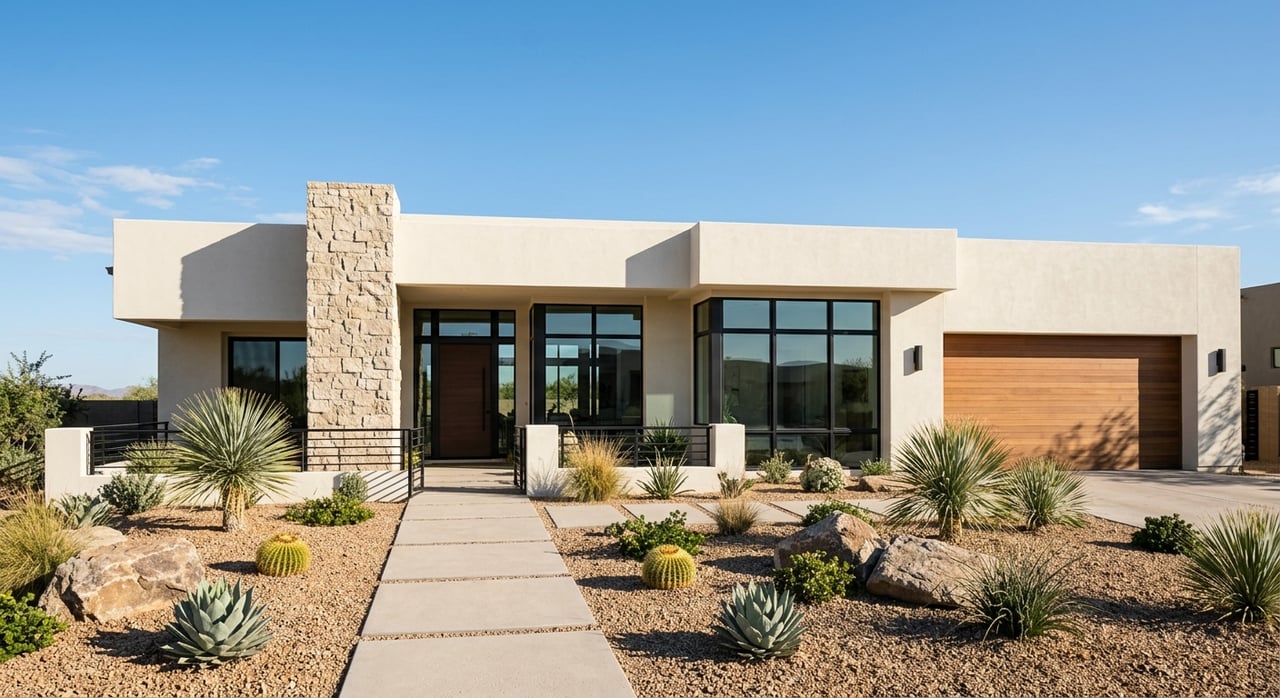
Queen Creek New Construction: What Smart Buyers Review
July 9, 2026
July 9, 2026
Buying brand-new construction in Queen Creek can feel exciting right up until the details start piling up. If you are comparing builders, floor plans, lot releases, timelines, and lender offers, it is easy to miss the fine print that affects your costs and day-to-day ownership. This guide will help you understand what to review before you sign, what makes Queen Creek unique, and how to protect yourself throughout the process. Let’s dive in.
Queen Creek remains a growth market, and that matters if you are considering a newly built home. The Town’s long-range planning documents point to continued residential development, and the housing forecast cited on the Town site shows 21.3% five-year population growth.
The Town also states that it has adequate vacant land zoned for residential use to meet projected single-family and multifamily housing needs. For you as a buyer, that means new-home options may continue to expand across different parts of the area.
One of the most important things to understand is that a Queen Creek mailing address does not always mean the property receives Town of Queen Creek services. The Town notes that its boundaries include portions of both Maricopa and Pinal counties, and some areas outside incorporated limits may receive county or private services instead.
The Town also says its water service area is different from its municipal boundary, and its planning area extends beyond incorporated limits. In practical terms, two homes that both say Queen Creek on the address can have different service providers, jurisdiction details, and development conditions.
Water planning is a major issue in Arizona, and it is especially important with new construction. According to the Town, current residential water customers have a 100-year assured water supply through groundwater.
At the same time, the Town explains that some undeveloped properties still need a renewable water source before they can develop. That is why you should evaluate the specific subdivision and parcel, not just the broader Queen Creek label.
Before signing, ask for clarity on:
For a new home in a subdivision, the Arizona Department of Real Estate says the Public Report must be provided before the purchase contract is signed. This is one of the most important documents in the process.
According to ADRE, the Public Report may cover issues like flooding and drainage, adjacent land uses, utility providers, common facilities, assurances for improvements, local services, taxes and assessments, and HOA details. It can give you a much fuller picture of what you are buying beyond the model home tour.
ADRE also warns that not all information in the report is independently verified. That means it is smart to treat the report as a starting point for due diligence, not the end of it.
Builder contracts are not the same as resale contracts, and details matter. ADRE advises buyers to read the purchase contract carefully and note where earnest money is held.
You should also review the community’s CC&Rs before moving forward. In many new communities, CC&Rs may limit things like landscaping choices, RV parking, play equipment, and satellite antennas.
If those restrictions could affect how you plan to use the property, it is better to find out before you commit. This is especially true if you want extra flexibility with outdoor storage, recreational vehicles, or future yard changes.
New construction often means buying in an area that is still changing. ADRE recommends checking zoning maps and future road plans before signing.
That step can help you understand what may be built nearby and how access or traffic patterns could change over time. It can also help you avoid surprises if adjacent land is still undeveloped.
ADRE also recommends looking up the builder’s contractor status with the Arizona Registrar of Contractors. That is a practical step if you want to confirm that the builder is properly licensed before you move ahead.
A common mistake buyers make is assuming that Town inspections replace their own inspections. They do not.
Queen Creek’s Building Safety division says construction goes through plan review, permit issuance, and inspection. The Town’s home-inspection information explains that its role is focused on code compliance and safety, with typical single-family inspections occurring at the foundation, framing, and final or Certificate of Occupancy stages.
The Town also notes that homeowners should first go to the builder when questions come up. That is useful to know, but it also highlights why independent inspections still matter.
ADRE says buyers may want to hire a professional home inspector. That makes sense because municipal inspections and private inspections serve different purposes.
Town inspections focus on code and safety standards. A private inspector can help you look more closely at the home’s condition and identify issues you may want addressed with the builder.
If you are buying a home before completion, you may also want to think through your inspection plan early so you can stay on schedule. In a fast-moving build timeline, missing key windows can make decisions more stressful later.
If an issue comes up after closing, timing matters. The Arizona Registrar of Contractors says complaints for new construction must be filed within two years of close of escrow or actual occupancy, whichever comes first.
The Registrar also states that licensed residential contractors provide financial protection through bonding and or the Recovery Fund. While no buyer wants to think about post-close problems, understanding the process can help you act quickly if needed.
Financing can look simple on the surface and get expensive in the details. The Consumer Financial Protection Bureau recommends comparing at least three loan offers and reviewing Loan Estimates side by side.
That approach is especially useful with new construction, where payment structure, points, lender credits, and closing costs can vary even when the advertised monthly payment seems similar. A lower headline payment does not always mean a better overall loan.
When you compare options, pay attention to:
Even after you close, your neighborhood may still feel like a construction zone for a while. In active new-home communities, nearby lots may continue building out after you move in.
Queen Creek regulates construction work hours by season, so you may experience daytime noise and activity during permitted windows. If peace and quiet right away is a top priority for you, ask how far along the community is and what nearby phases are still under construction.
It is easy to assume the sales office will guide everyone equally, but ADRE clearly states that the seller’s broker does not represent the buyer. ADRE also says a buyer may wish to retain a buyer’s broker.
That matters in new construction because there are many moving parts to track at once. You may be balancing a builder contract, financing deadlines, inspection decisions, service-area questions, and community documents all at the same time.
In Queen Creek, independent guidance can be especially helpful because the local details are not always obvious from the address alone. A subdivision may have a Queen Creek mailing address but sit outside Town limits, use a different water provider, or involve different community rules than you expected.
If you want a simple way to stay organized, focus on these steps before signing on a new construction home in Queen Creek:
A brand-new home can offer a fresh start, modern features, and the chance to personalize your space. In Queen Creek, though, smart buying means looking past the model home and understanding the property’s exact location, service providers, community rules, and build timeline.
When you take the time to verify the details before signing, you put yourself in a much stronger position for a smoother purchase. If you want personalized guidance as you compare builders, communities, and contracts in Queen Creek, reach out to Colleen Marie Heaney for attentive buyer representation and local insight.
Inspiration and Information for Every Move
Whether you’re moving across town or across state lines, Colleen is here to make your transition simple, enjoyable, and stress-free.