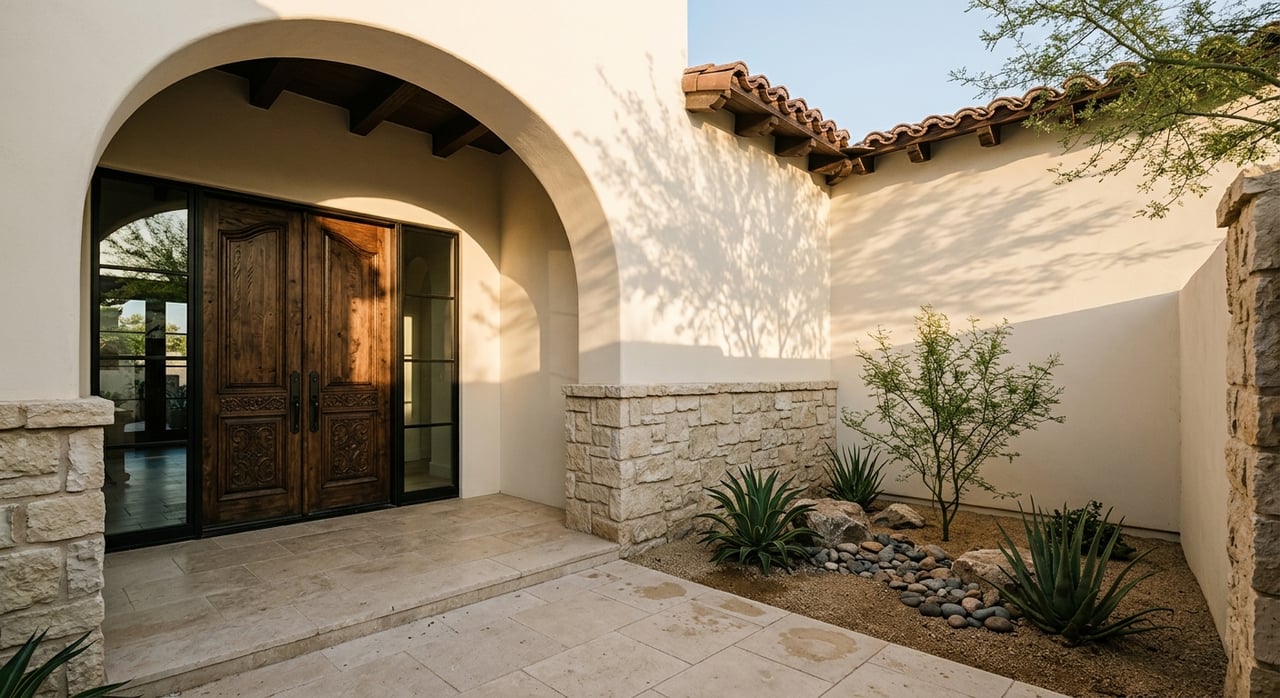
How Remote Home Buying Works In Phoenix
June 11, 2026
June 11, 2026
Thinking about buying a home in Phoenix without hopping on a plane first? You are not alone. Many buyers relocate from out of state and need a process that feels clear, secure, and manageable from a distance. The good news is that remote home buying in Phoenix is possible, but it works best when you know what can be done online, what still needs careful review, and where local guidance matters most. Let’s dive in.
Arizona supports electronic records and signatures for transactions when the parties agree to do business electronically. The state also allows electronic notarization and remote online notarization, which makes it easier to complete many steps from outside Arizona.
That matters if you are relocating to Phoenix and want to keep your move on track without constant travel. Maricopa County also supports digital recording of property documents, which helps keep the closing process moving once documents are ready to be filed.
Even so, remote buying should not mean rushed buying. The Arizona Department of Real Estate advises prospective buyers to view the location before signing when possible, and that is an important reminder for anyone relying heavily on photos or video.
When you are buying from afar, local support becomes even more important. A buyer's agent can help coordinate showings, point out details that photos may not capture, and keep your inspection, title, and closing timeline organized.
This is especially helpful in a market where timing matters. Recent Phoenix market snapshots show a median sale price of $460,637 according to Redfin for the three months ending April 2026, while Zillow reported an average home value of $411,323 on April 30, 2026. Those figures are based on different methods, so they are not directly comparable, but together they suggest buyers should be prepared to act when the right home appears.
Nationally, remote-only purchases are still a small slice of the market. NAR reported that 5% of buyers purchased a home based only on a virtual tour, showing, or open house without seeing it in person, while 88% of buyers used a real estate agent or broker.
A big part of remote home buying in Phoenix is understanding which steps can happen online. In many cases, you can review, sign, and notarize documents from a distance instead of traveling to Arizona for every milestone.
Arizona law allows electronic records and signatures in transactions when the parties agree. Arizona notarization law also allows notarization requirements to be satisfied electronically when the legal conditions are met.
That means many buyers can complete major paperwork remotely, including contract-related documents and parts of the closing package. For remote online notarization, the Arizona Secretary of State says the notary must be physically located in Arizona, even if you are signing from somewhere else.
If you are financing the home, timing matters. Buyers should receive the Closing Disclosure at least three business days before closing.
You should also ask for key closing documents in advance so you have time to read them carefully. That includes the promissory note, deed of trust, and deed. Reviewing them early helps you avoid last-minute surprises and gives you time to ask questions.
The Maricopa County Recorder handles public recording of deeds and property documents, but that office does not provide legal advice, forms, or notary services. If you have questions about your closing documents, the title company, escrow officer, attorney, or estate planner is usually the right place to start.
Virtual tours are useful, but they are not a substitute for due diligence. In Arizona, a home inspection is a visual evaluation of visible conditions, which means your inspection report becomes one of your most important tools when you cannot be there in person.
For resale homes, the Arizona Department of Real Estate advises buyers to read the seller's property disclosure report and purchase contract carefully. You should pay close attention to deadlines for objections and inspections so you do not miss important decision points.
If you are buying remotely in Phoenix, make sure you verify:
Some of these items can affect daily use of the property. HOA rules, for example, may limit things like landscaping choices, RV parking, play equipment, or satellite antennas.
If you are buying a newly built home or a home in a subdivision, there is another important document to review. In Arizona, the Public Report must be delivered before the purchase contract is signed.
That report can include details about flooding and drainage, adjacent land uses, utilities, common facilities, taxes, assessments, and HOA information. If you are buying from out of state, do not assume a builder purchase is simpler just because everything looks new and polished.
Remote buyers should schedule the home inspection as soon as possible after choosing a home. That gives you time to review findings, request repairs if appropriate, and decide how to move forward before key deadlines pass.
A final walk-through is also important before signing. Even if you cannot attend in person, you should make a plan for how that step will be handled so you can confirm the property's condition as closing approaches.
A remote purchase does not always take longer, but you should still build in time for inspections, financing, document review, and coordination across time zones. NAR's December 2025 confidence index reported that contracts typically closed in 30 days.
That is a benchmark, not a promise. Some closings move faster, while others take longer depending on the loan, inspection results, and how quickly documents are reviewed and returned.
| Step | What happens |
|---|---|
| Home search | You narrow options using online listings, virtual tours, and local guidance |
| Offer accepted | You review timelines, disclosures, and next steps |
| Inspection period | You schedule inspections and review reports carefully |
| Loan and title work | Your lender, title company, and escrow team prepare documents |
| Closing review | You receive the Closing Disclosure at least three business days before closing |
| Signing and recording | Documents are signed, notarized if needed, and recorded in Maricopa County |
One of the biggest risks in any remote closing is wire fraud. Buyers are often targeted near closing, when money is moving quickly and last-minute messages can seem urgent.
A smart safety step is to confirm wire instructions by phone with a trusted professional instead of relying on email alone. If anything looks different at the last minute, slow down and verify before sending funds.
Once your home closes, keep your important documents in a safe place. That includes your Closing Disclosure, promissory note, deed of trust or mortgage, and deed.
It also helps to know that the deed and mortgage-related information become public record. Because of that, you may receive junk mail or scam-related offers after closing that look official but are not.
Maricopa County offers a free Title Alert service that lets owners monitor new recordings under their name. For remote buyers, that extra awareness can bring peace of mind after the move.
Buying from a distance works best when you combine digital convenience with careful local verification. You want clear timelines, strong communication, early document review, and a practical plan for inspections, disclosures, and the final walk-through.
If you are relocating to Phoenix, it also helps to work with someone who understands the moving pieces beyond the contract itself. A high-touch, relocation-friendly approach can make the process feel much more manageable, especially when you are balancing travel, work, or a cross-state move.
Whether you are moving from Montana, another western state, or somewhere farther away, remote home buying in Phoenix can absolutely work with the right preparation. If you want personalized guidance and steady communication from search to closing, connect with Colleen Marie Heaney to start your move with confidence.
Inspiration and Information for Every Move


Whether you’re moving across town or across state lines, Colleen is here to make your transition simple, enjoyable, and stress-free.