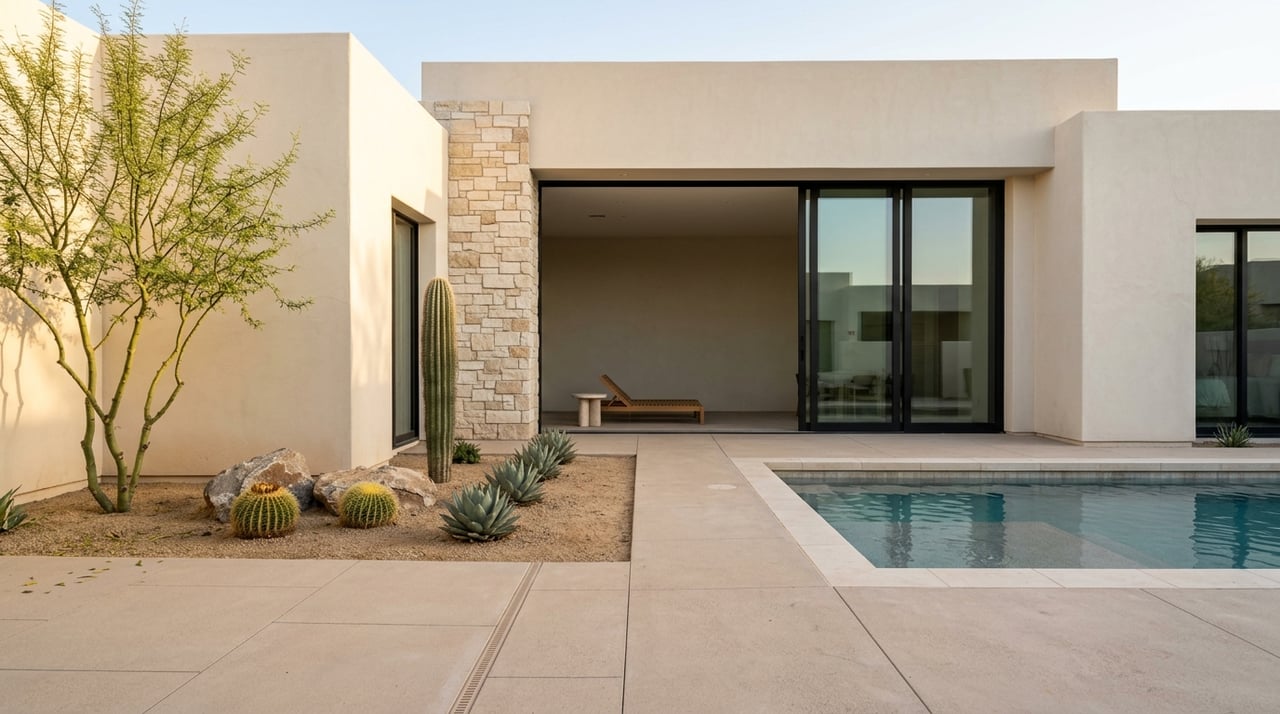
North Phoenix Living Guide: Everyday Desert Life
June 4, 2026
June 4, 2026
Wondering what daily life really feels like in North Phoenix desert communities? If you are considering a move, it helps to picture more than just a map pin or listing photos. You want to know how people spend their mornings, run errands, get outside, and adapt to the seasons. This guide walks you through the everyday rhythm of North Phoenix so you can decide whether it fits the way you want to live. Let’s dive in.
North Phoenix desert communities are not one single neighborhood with one downtown center. The area is better understood as a group of north-side planning areas that include Desert View, Deer Valley, North Gateway, and North Mountain.
According to City of Phoenix planning information, these areas combine desert preserves, foothill neighborhoods, residential communities, employment centers, and retail hubs. In practical terms, that means your daily life will likely feel suburban, spread out, and closely tied to a few main corridors for shopping, dining, and commuting.
If you are relocating from out of state, this setup can feel different from places built around a compact town center. North Phoenix tends to offer more of a hub-and-spoke lifestyle, where you drive between home, trailheads, stores, restaurants, and work rather than walking to most daily needs.
One of the biggest draws of North Phoenix is how easy it is to stay connected to the desert landscape. The Sonoran Preserve alone covers more than 9,600 acres and includes 36 miles of trails, giving the area a strong outdoor identity.
North Mountain and Shaw Butte add even more trail access and familiar skyline views across the north valley. For many residents, nearby mountain and preserve access is not just a weekend perk. It becomes part of the weekly routine.
That said, desert living comes with a rhythm. In warmer months, outdoor plans often move to the earliest part of the day. The National Weather Service advises doing strenuous activity during the coolest hours, usually between 4:00 a.m. and 7:00 a.m., and city trailheads at the Sonoran Preserve and North Mountain open at 5 a.m. to support that pattern.
In North Phoenix, a typical summer morning may start earlier than you expect. Many residents head out at sunrise for a walk, hike, or run, then shift indoors before the afternoon heat builds.
From late fall through spring, the schedule opens up. Cooler temperatures make patios, outdoor errands, and longer trail outings much more comfortable, which is one reason many people love the seasonal lifestyle here.
North Phoenix is built around retail and dining nodes rather than one traditional main street. Desert Ridge Marketplace is one of the best-known examples, with shopping, restaurants, fitness options, and entertainment all clustered in one area.
City planning pages also describe Desert View and North Gateway as places where residential areas sit alongside retail and employment centers. That means many day-to-day tasks happen in a series of convenient, car-accessible stops.
If you live in this part of Phoenix, your routine may look like this:
For many buyers, this layout feels efficient once you learn the area. Instead of one busy urban core, you get several practical hubs that support daily life.
If you are asking whether North Phoenix is car-dependent, the honest answer is yes for most households. Phoenix reports a mean travel time to work of 25.6 minutes, and fewer than 10% of residents commute by walking, biking, or public transportation.
Public transit does exist, including local and commuter bus service, Dial-a-Ride, and Valley Metro rail access extending west to Metrocenter. Still, city planning language for north-side areas continues to emphasize freeway access, which reflects how most people move around day to day.
For buyers relocating from more compact cities, this is an important lifestyle factor. North Phoenix can offer space, views, and strong outdoor access, but driving remains the default for work, errands, and many social plans.
Summer is one of the biggest factors shaping life in North Phoenix. Phoenix climate normals show average highs of 104.2°F in June, 106.5°F in July, and 105.1°F in August. Annual precipitation is low at 7.22 inches, and the North American monsoon officially runs from June 15 through September 30.
Those numbers tell you a lot about the day-to-day reality. Summer here is not just warm. It requires planning.
Most residents adjust by shifting outdoor time earlier, saving indoor errands for the afternoon, and using pools and shaded recreation spaces more often. That seasonal adjustment is simply part of desert living.
Summer routines in North Phoenix often include:
This does not mean summer is unlivable. It means your schedule becomes more intentional. Many full-time residents build their day around the climate and find that the tradeoff is worth it for the rest of the year.
Not every outdoor routine has to involve hiking. North Phoenix also has city parks and pool facilities that support a wider range of recreation.
Deer Valley Park includes a pool, shade structures, a playground, picnic areas, and sports courts. Deer Valley Pool offers swim lessons, water slides, and open-swim programming, which gives residents additional options during the hottest months.
For households looking for balance, this matters. It means North Phoenix offers both preserve-style outdoor access and more structured park amenities that can fit different schedules and activity levels.
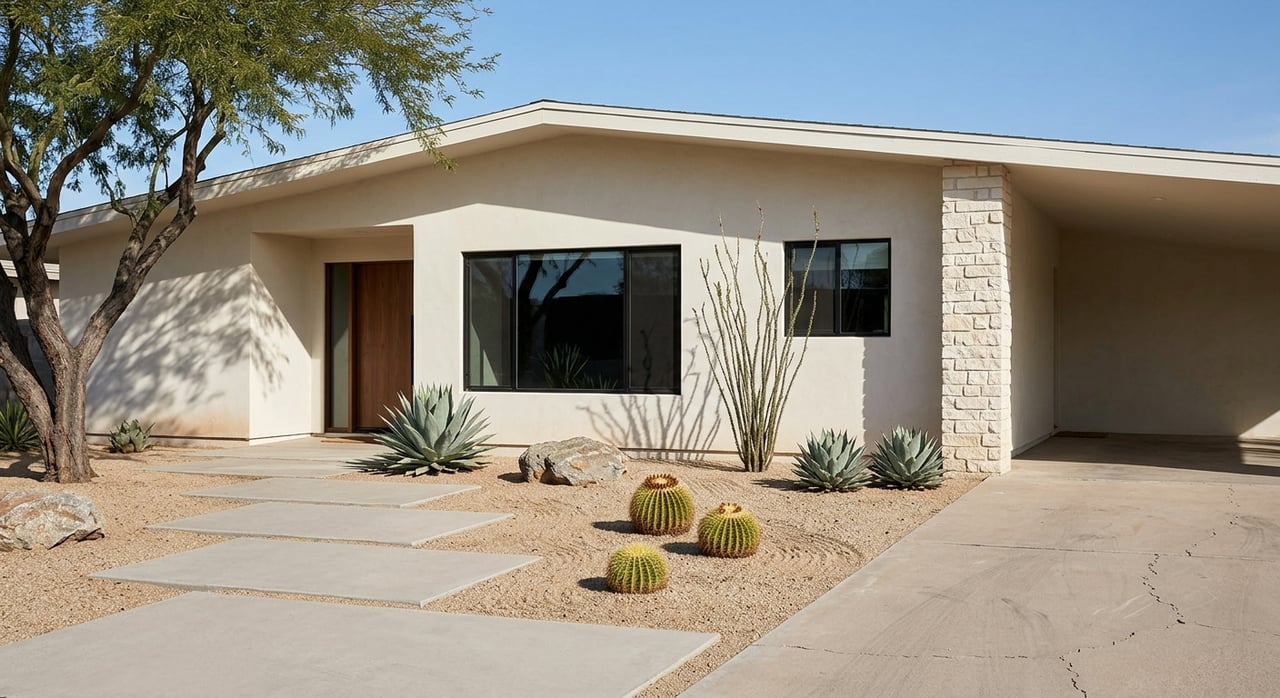
For most buyers, the answer is yes. City descriptions of the area point to a mix of master-planned communities, foothill neighborhoods, preserve land, and commercial centers rather than a dense urban district.
That suburban feel shows up in daily life in a few clear ways:
If you want a more spread-out environment with access to nature and practical retail hubs, North Phoenix may feel like a good fit. If you want a highly walkable urban routine, you may need to adjust your expectations.
North Phoenix desert communities often appeal to buyers who want a blend of neighborhood living and outdoor access. The area can work especially well if you value preserve views, trail proximity, and a home base that feels more relaxed than an urban core.
It can also make sense if you are relocating and want an area where daily life is fairly straightforward once you learn the major corridors. You will likely build routines around nearby trailheads, retail centers, freeway access, and seasonal timing.
From a lifestyle perspective, North Phoenix tends to fit people who appreciate:
The key is knowing what you are signing up for. When buyers understand the rhythm of the area, they can choose a community that matches how they actually want to live.
If you are thinking about a move to North Phoenix and want help narrowing down which desert community best fits your routine, goals, and commute, Colleen Marie Heaney can help you make a confident plan with local insight and personalized guidance.
Inspiration and Information for Every Move
Whether you’re moving across town or across state lines, Colleen is here to make your transition simple, enjoyable, and stress-free.