Relocating to Phoenix: A Practical Guide from Cold States
February 5, 2026
February 5, 2026
Thinking about trading snow boots for sunscreen? If you are relocating to Phoenix from a colder state, the climate, homes, and daily rhythms will feel different at first. That can be exciting and a little overwhelming. In this guide, you will learn how Phoenix weather actually feels, what to look for in a desert home, how utilities and water use work, and how to navigate the Valley’s commuting patterns and lifestyle. Let’s dive in.
Phoenix has long, hot, dry summers and short, mild winters. Average July highs sit around 105 to 107°F, and the hottest stretch runs from late May through September. Winters are comfortable, with average January lows in the mid 40s. Annual rainfall is low, usually 7 to 9 inches, with many days over 100°F each year.
If you are used to snow and freezing temps, the shift is dramatic. Summer is a season you plan around, while winter is when you spend more time outside mid‑day.
From roughly June to September, the summer monsoon brings sudden thunderstorms. Downpours can be brief but heavy, and certain streets or washes can flood. Dust storms, called haboobs, can reduce visibility fast and may disrupt driving. Plan for flexible travel during summer afternoons and check weather alerts before longer drives.
Give yourself a few weeks to adjust. Ease into outdoor time, avoid strenuous activity during midday in summer, and drink water regularly. Most locals shift outdoor workouts and hikes to early morning or dusk. Reliable air conditioning at home and in your vehicle is essential.
The desert sun is strong. High‑performance window treatments, exterior shade, and low‑E or double‑pane windows help control heat and protect interior finishes from fading. Lower humidity means fewer moisture‑loving pests than in humid regions, but you may notice dry skin or more dust. A small humidifier can help inside during winter.
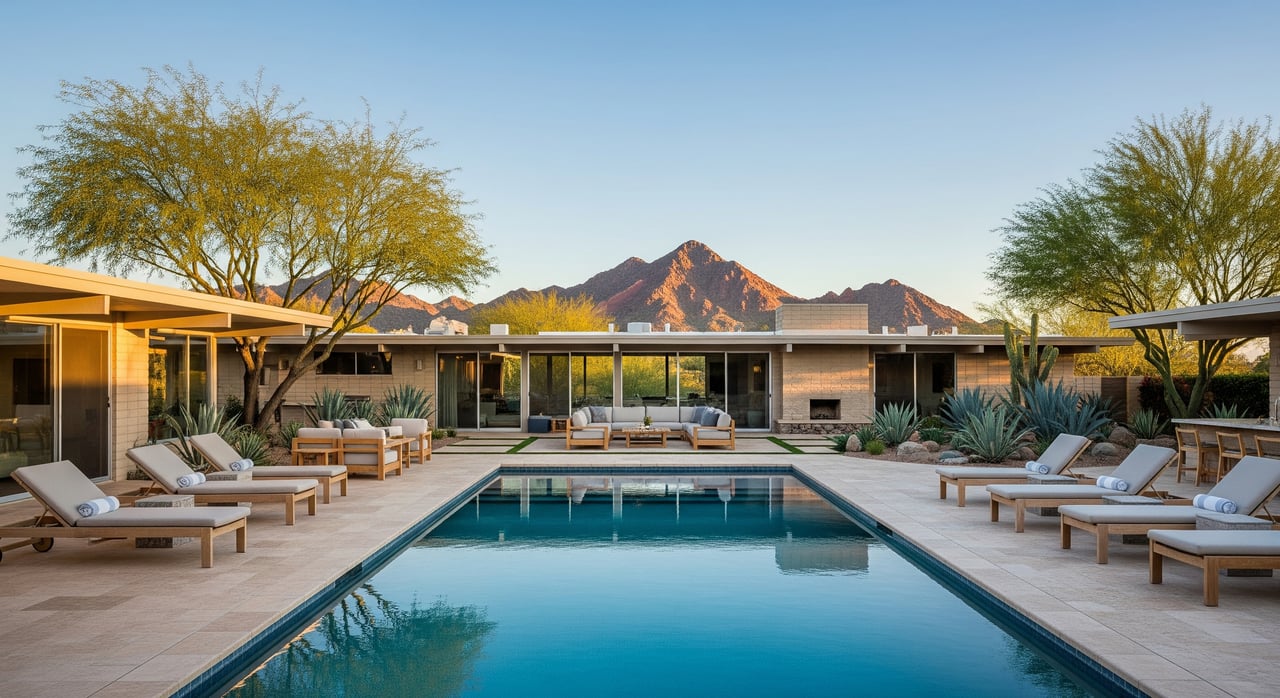
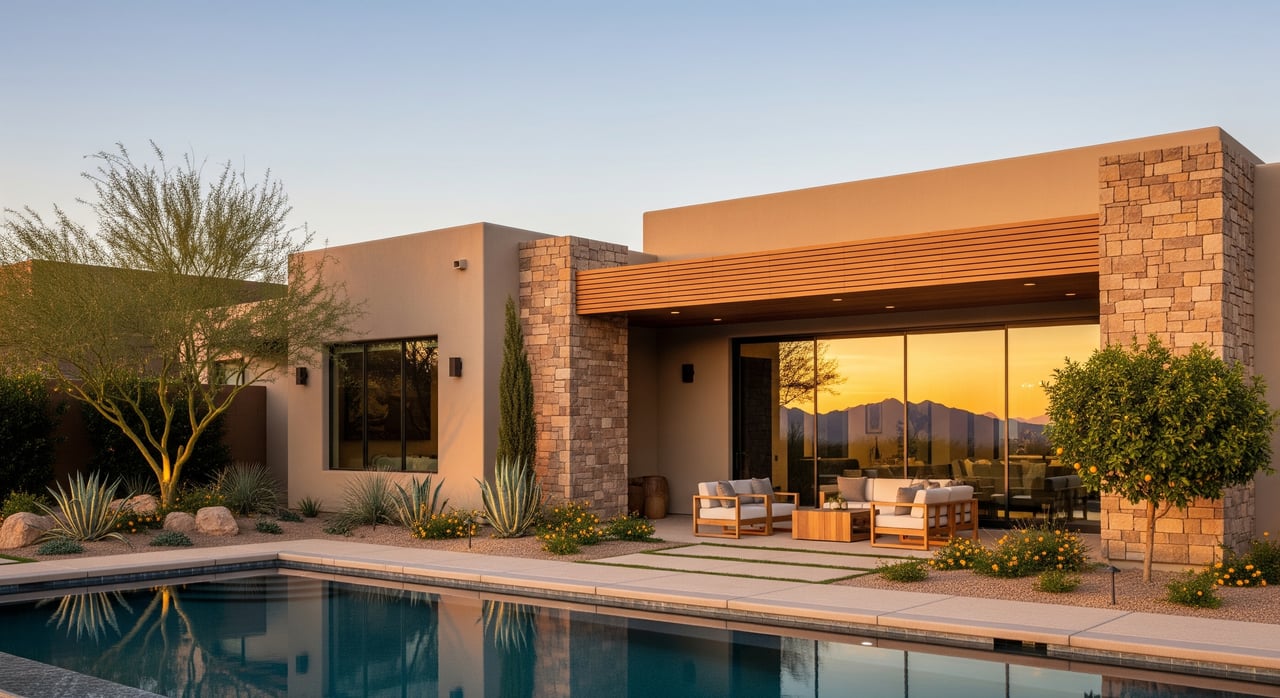
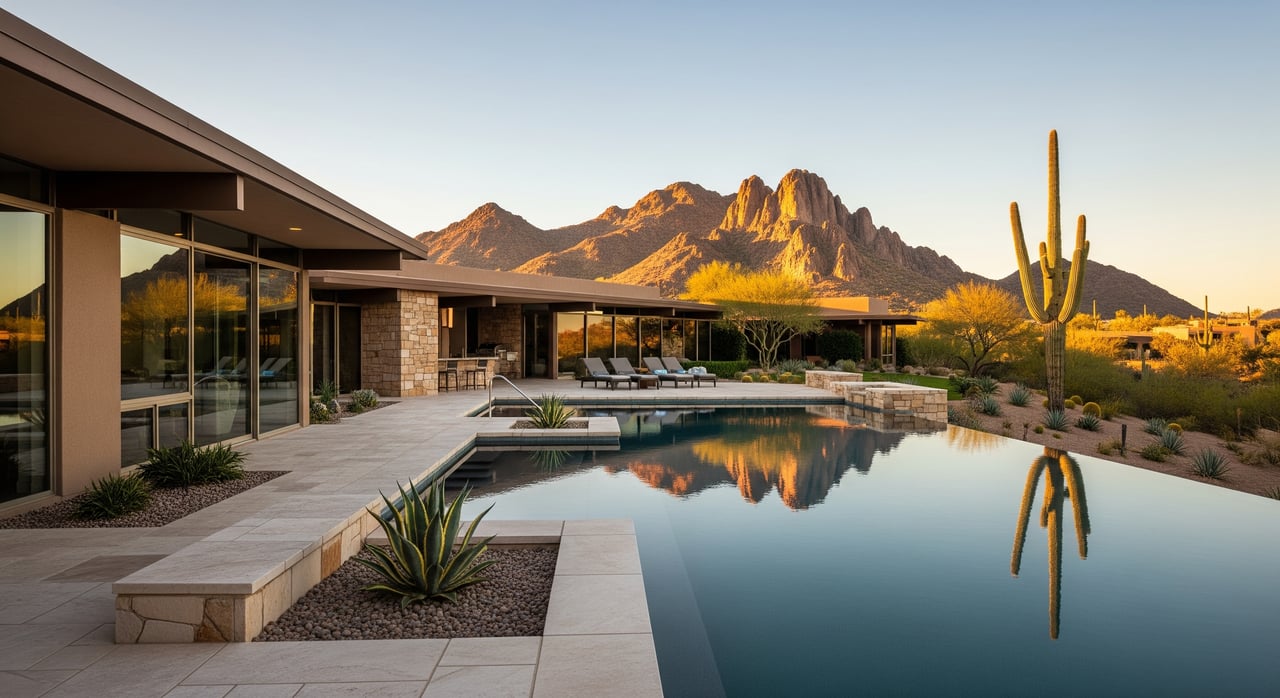
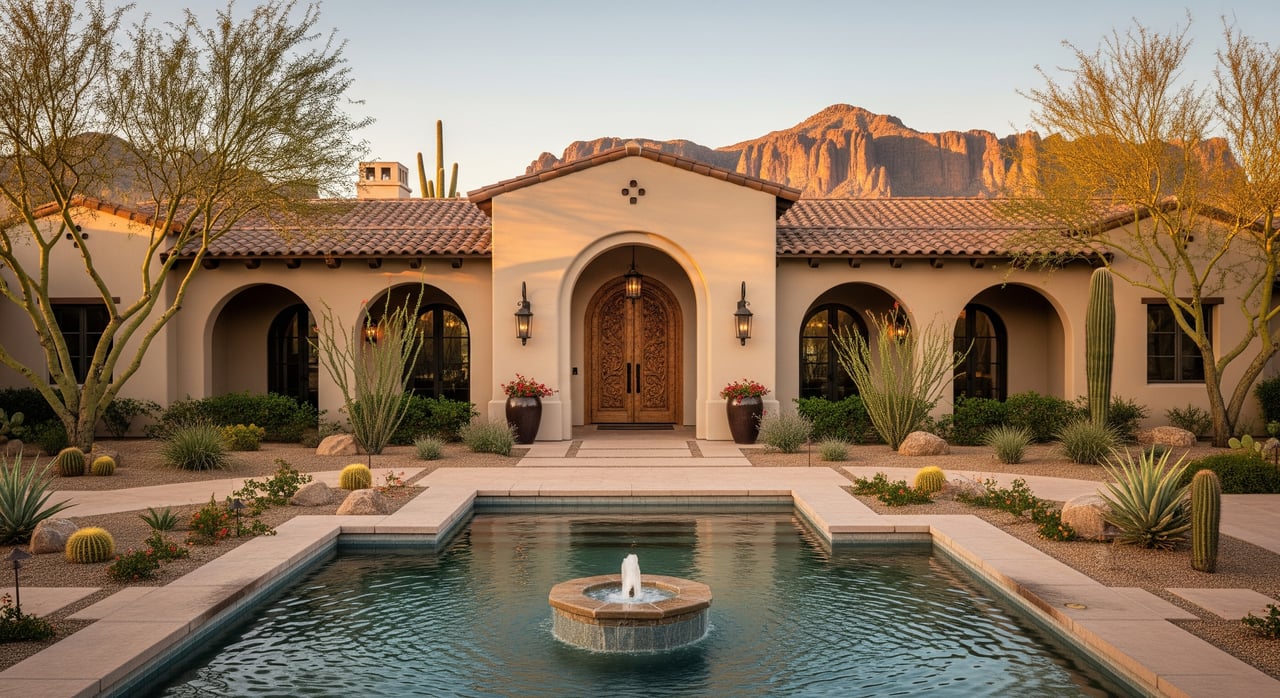
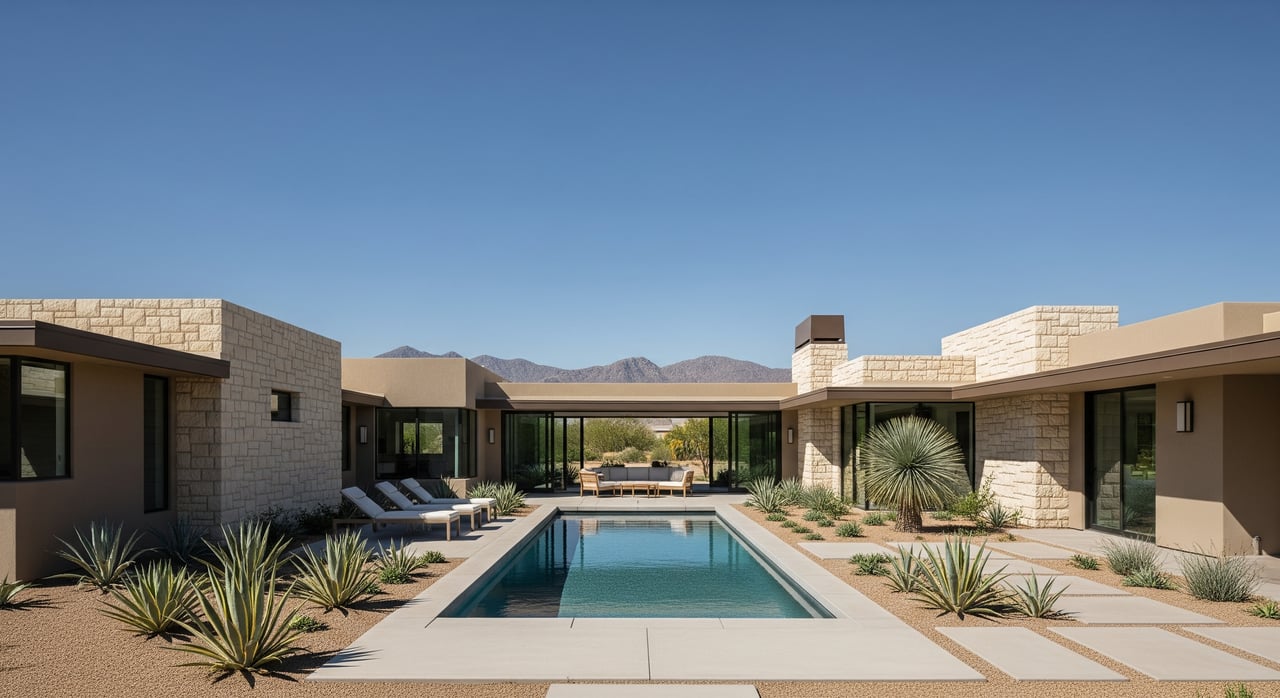
Phoenix area homes often feature stucco exteriors over block or wood frame and tile roofs. Single‑story layouts are common, and outdoor living spaces are a big part of daily life. Covered patios, built‑in grills, and shade structures are typical. Many homes also have pools, which add comfort during summer and require ongoing care.
Central air conditioning is non‑negotiable in Phoenix. When you shop, verify the system’s age, capacity, and service history. Proper ductwork, thermostat placement, and zoning can reduce hot spots. If you plan a home inspection, ask for a deep look at the HVAC.
Homes that manage summer heat well often combine attic insulation, sealed ducts, and energy‑efficient windows with smart orientation. North‑facing living areas, shaded patios, and limited west‑facing glass help reduce afternoon heat. Simple additions like exterior sun shades or pergolas can make a big difference.
A pool can be a welcome relief on a 110°F afternoon. Budget for electricity to run the pump, routine chemical costs, and seasonal maintenance. Make sure safety features like fencing or alarms meet local standards and any HOA rules. For yards, desert‑friendly landscaping with native plants and drip irrigation cuts water use and maintenance compared with large turf areas.
Electricity costs rise in summer when your A/C runs more. Local utilities, including APS and SRP, offer time‑of‑use plans that reward you for shifting heavy use to off‑peak hours. Programmable thermostats, ceiling fans, and pre‑cooling strategies can help. Many homeowners explore rooftop solar. Incentives and net‑metering rules change over time, so review current programs with local utilities before you decide.
Phoenix relies on a blend of Colorado River water, groundwater, and local sources. Regional drought and lower river levels have led to conservation actions and long‑term planning. As a homeowner, you will see this in landscaping trends, new development policies, and community education about smart water use.
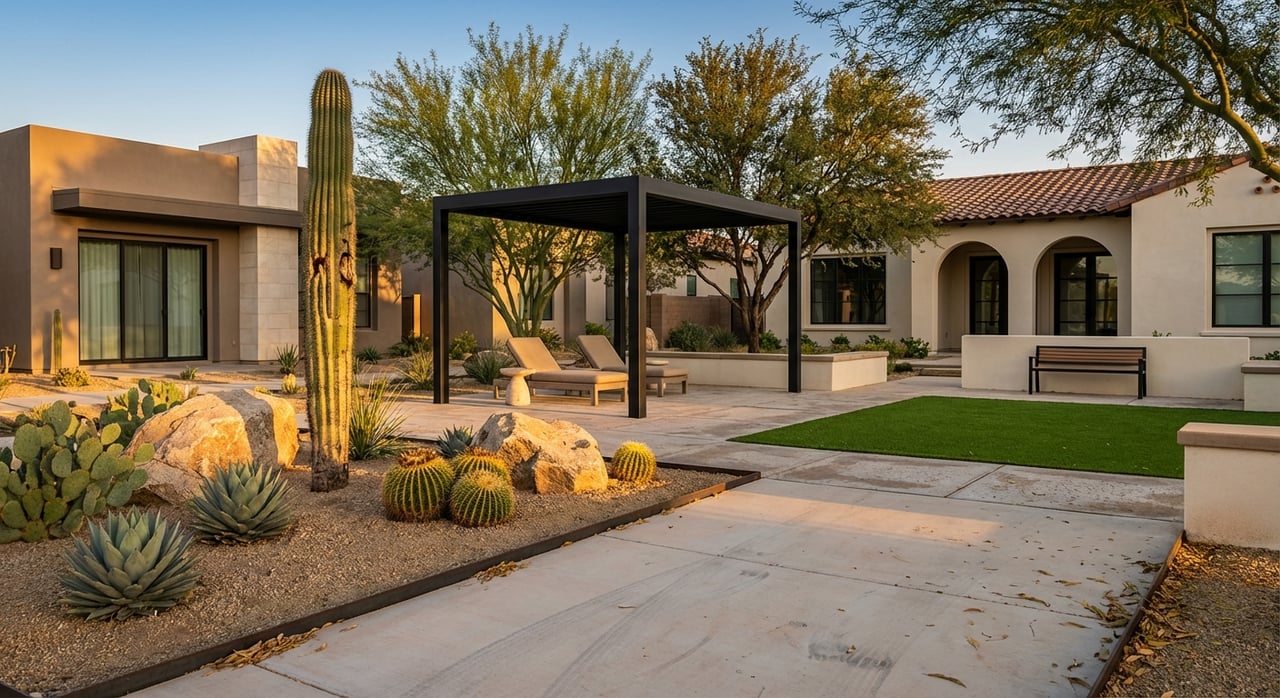
Xeriscaping, drip irrigation, mulch, and shade trees are common choices that balance comfort with conservation. Some HOAs encourage or set standards for desert‑friendly yards. If you intend to add a pool, expand turf, or install new irrigation, review city and HOA rules first.
The Phoenix metro is sprawling and car‑oriented. Most people drive to work. Median commute times sit around the U.S. average in the mid‑20s minutes, though your actual time will depend on your suburb, employer location, and route.
Major freeways include I‑10 across central Phoenix, I‑17 north to Flagstaff, US‑60 through the East Valley, and the Loop 101 and Loop 202 systems. Traffic can be heavy near downtown and around key interchanges, especially during peak hours. If commute time matters to you, test your route during a weekday rush.
Valley Metro Rail links key parts of Phoenix, Tempe, and Mesa and serves select commutes well. The bus network provides coverage in many neighborhoods, though frequency varies. Many residents still prefer a car for flexibility.
Phoenix Sky Harbor sits near the center of the metro with strong domestic connections. If you travel often, proximity to the airport and freeway access may be a priority when you choose a neighborhood.
The metro features a wide range of communities. Here is a quick overview to help you frame your search:
Your best fit will depend on your commute, housing style preferences, outdoor interests, and the type of local amenities you want nearby.
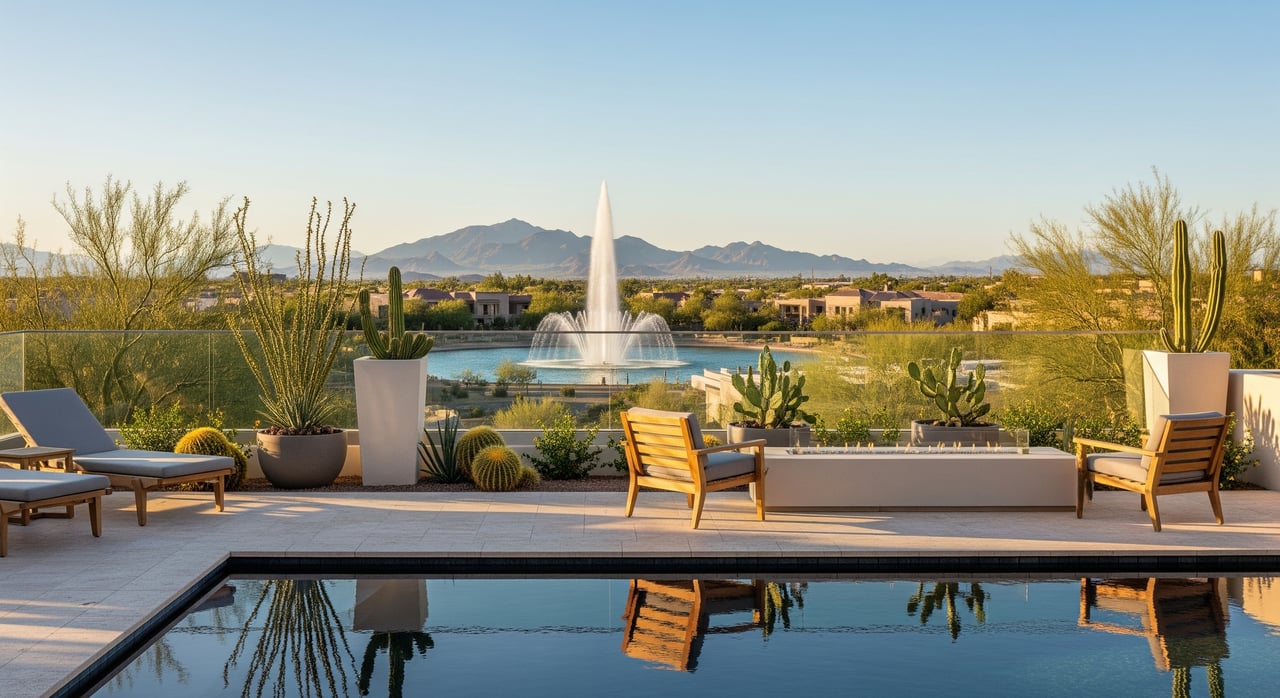
Phoenix is a year‑round outdoor city, with seasonal timing. In cooler months you can hike Camelback Mountain, South Mountain Park, and Piestewa Peak at midday. In summer, go early or head out at dusk and carry water. Golf, mountain biking, spring training baseball, museums, and a growing food and arts scene are part of everyday life.
You live near a desert ecosystem. Scorpions, rattlesnakes, coyotes, and javelina appear in some areas, especially near open desert. Basic pest‑proofing and supervising pets are smart habits. After monsoon rains, check for standing water to reduce mosquitoes.
Air quality can dip at times due to dust storms, urban ozone, or regional wildfire smoke. If you are sensitive, monitor air quality reports and plan outdoor time on better days.
Use this list to focus your search and inspection process:
Moving from a cold climate to Phoenix is a big change, but it can be a rewarding one. When you plan for summer heat, choose a home with strong cooling and shade, and adopt water‑wise habits, daily life feels comfortable and simple. Your neighborhood choice, commute, and preferred lifestyle will shape your routine as much as the weather does.
If you want a local guide who understands relocation and the East Valley and North Phoenix/Scottsdale, connect with Colleen Marie Heaney. She can help you compare neighborhoods, align your home features with desert living, and prepare a clear plan for your move and valuation. Start your move with confidence.
Inspiration and Information for Every Move
Whether you’re moving across town or across state lines, Colleen is here to make your transition simple, enjoyable, and stress-free.